The Collector’s Encyclopaedia · Signatories · Government & Party
Adolf Hitler (1889–1945): Signature, Documents and Historical Profile
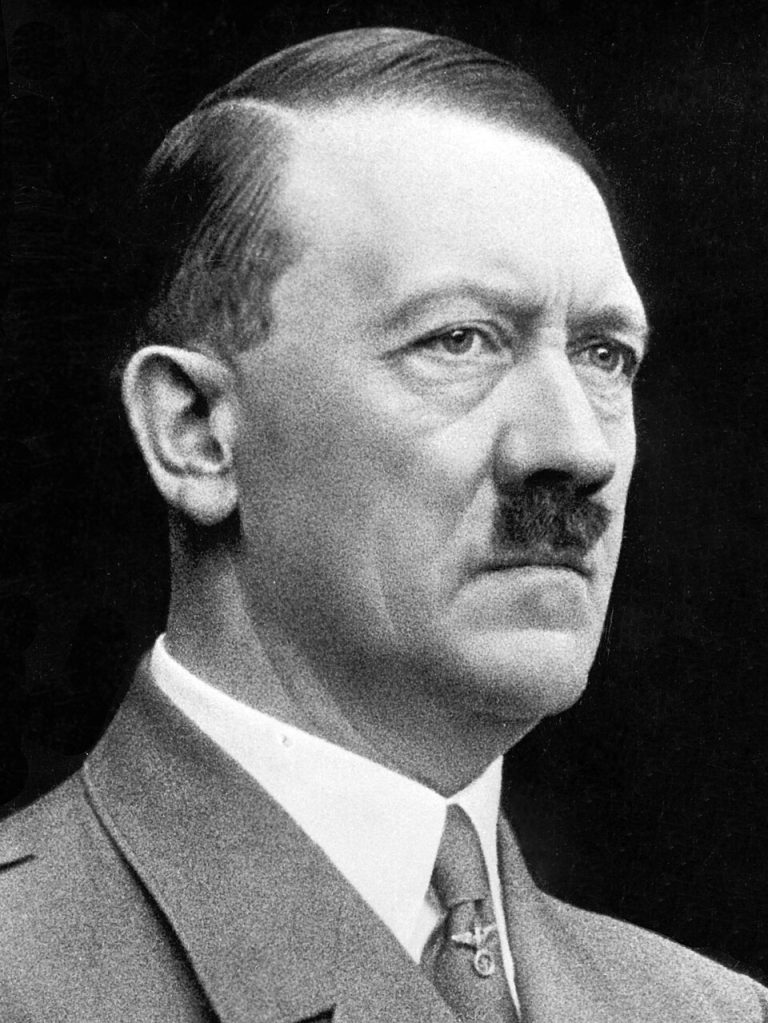
| Born | 20 April 1889, Braunau am Inn |
|---|---|
| Died | 30 April 1945, Berlin (suicide) |
| Key offices | Reich Chancellor (1933); Führer und Reichskanzler (1934); Supreme Commander of the Wehrmacht (1938) |
| Documents bearing his name | Laws and decrees, appointment and promotion certificates, award documents, correspondence; very many with printed facsimile signatures |
| In the collection | 6 pieces currently available (see below) |
No signature of the twentieth century has been reproduced, printed, stamped and forged as often as Adolf Hitler’s. Genuine ink signatures exist on state documents, appointment certificates and correspondence, but they are vastly outnumbered by facsimiles and by later fakes. For a collector, Hitler material demands the most rigorous examination of any category in this encyclopaedia, and the clearest understanding of what such documents record: the decisions of the man who led Germany into war and genocide.
Who Was Adolf Hitler?
Hitler was born in Braunau am Inn in 1889. After service in the First World War he rose to lead the Nazi Party. Following the failed Munich putsch of 9 November 1923 he was tried for high treason and held at Landsberg, where he wrote the first volume of Mein Kampf; he was released early on 20 December 1924. On 30 January 1933 he was appointed Reich Chancellor. After President Hindenburg’s death on 2 August 1934 he merged the offices of President and Chancellor and took the title “Führer und Reichskanzler”. On 4 February 1938 he assumed supreme command of the Wehrmacht. He died by suicide in the Berlin bunker on 30 April 1945.
Which Offices Appear on His Documents?
| Period | Office | What to expect on documents |
|---|---|---|
| Before January 1933 | Party leader | NSDAP correspondence and party documents |
| 30 January 1933 – 2 August 1934 | Reich Chancellor | “Der Reichskanzler”; Hindenburg still signs as Reich President |
| From 2 August 1934 | Führer und Reichskanzler | “Der Führer und Reichskanzler” on state documents and certificates |
| From 4 February 1938 | Supreme Commander of the Wehrmacht | Military appointments and orders |
A document whose heading, title or signature block does not fit its date is an immediate warning sign.
What Documents Bear Hitler’s Signature?
Ink signatures are found above all on state papers: laws and decrees, appointment and promotion certificates for officers and senior officials, and official correspondence. Such certificates were commonly countersigned by the responsible minister or head of department, which provides a second signature to check against the date and office.
Far more documents carry a printed or stamped facsimile of his signature. These were produced in large numbers for award documents, certificates and printed material, and they are genuine period items in their own right, but they are not autographs. Signed photographs, books and dedications are the forms most often faked, and they require strong, documented provenance. See the entry on original signature or facsimile for how to tell them apart.
What Should Collectors Watch For?
- Facsimile sold as autograph. Check under magnification for the pressure, ink flow and pen lifts of a moving pen. Printing and rubber stamps show neither.
- Office and date. A title such as “Führer und Reichskanzler” cannot appear before August 1934.
- Countersignatures. The minister who countersigned must have held that office on that date.
- Paper and printing. Watermarks, paper ageing, printing method and seals should all belong to the period.
- Provenance. For any item offered as an ink signature, ask for its documented history and an independent expert opinion.
Responsibility and Fate
Hitler’s signature stands on the decisions that unleashed the Second World War and the murder of six million Jews and millions of other victims. Documents bearing his name are therefore records of a criminal regime, and this encyclopaedia treats them as historical evidence, never as objects of admiration.
Collector’s Note
In my experience, the great majority of “Hitler signatures” offered on the open market are facsimiles or forgeries. I begin every examination with the document itself: its office, date, countersignature and materials. Only when all of these agree does the handwriting deserve detailed study.
Related Entries and Pieces
Pieces in the Collection
Browse the full Collector’s Encyclopaedia →
Frequently Asked Questions
Are Adolf Hitler signatures authentic when they appear on award documents?
Many award documents carry a printed facsimile of his signature. These are genuine period documents, but the signature is not handwritten. Each piece needs to be examined individually.
What is the most common Hitler document on the market?
Printed certificates and documents with facsimile signatures are far more common than ink-signed state papers. Original signed appointment documents exist but are scarce and frequently forged.
Is it legal to own a document signed by Hitler?
In most countries original historical documents may be owned, but the display, sale and shipment of material with Nazi symbols is restricted in some jurisdictions. Check the law where you live.
Historical Responsibility Notice: this entry documents historical figures and artefacts of the National Socialist period for collecting, preservation, education and research. It does not endorse or glorify any ideology, and it is written in memory of the victims of the regime.
References & Further Reading
- Deutsches Historisches Museum, LeMO – Lebendiges Museum Online, Adolf Hitler 1889–1945 (D. Wosnitzka; last updated 1998).
- ‘Hitler, Adolf’, Deutsche Biographie.