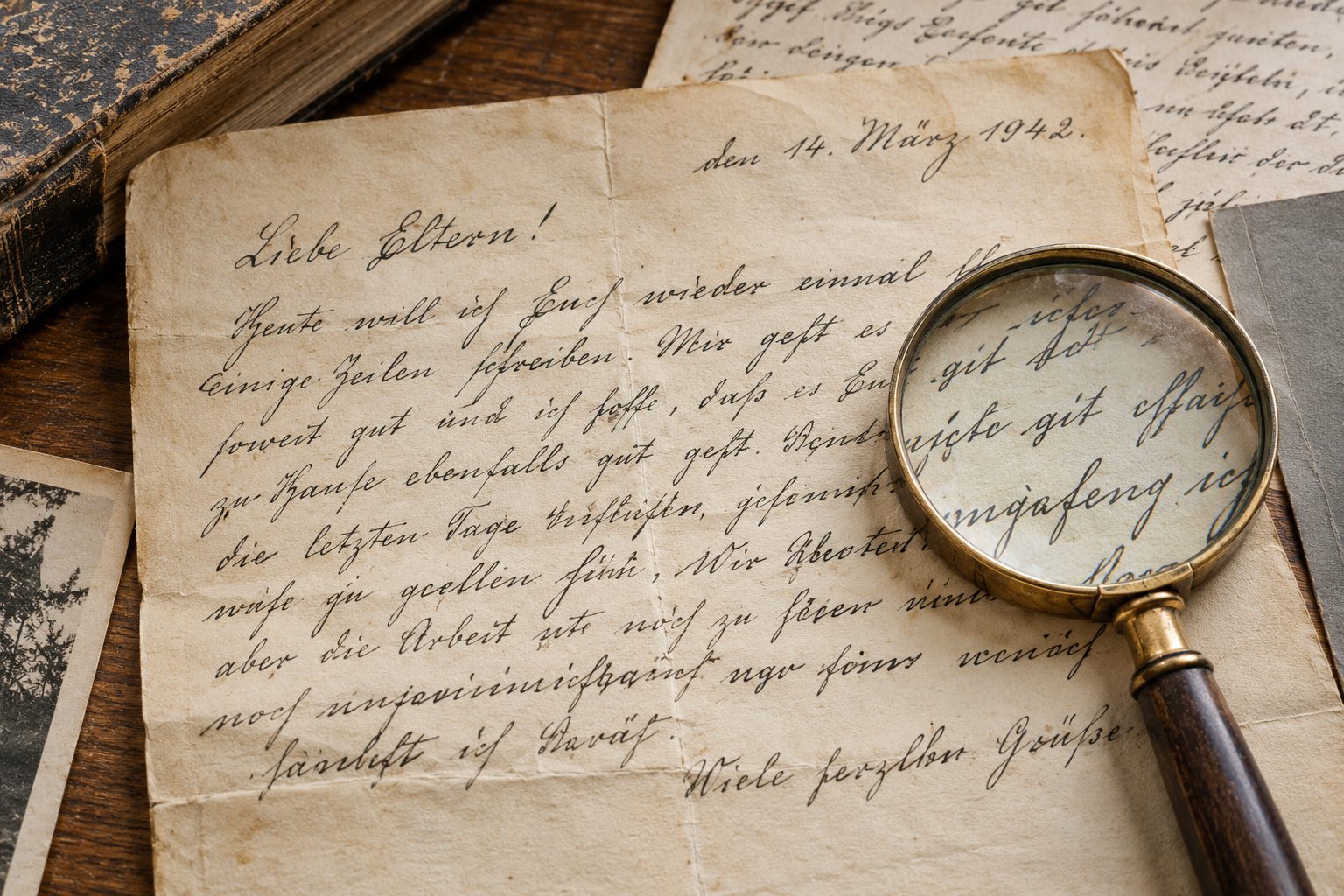
Old German handwriting can defeat even native German speakers. This collector's guide explains the Sütterlin alphabet, how it differs from Kurrent and Fraktur, and a practical method for transcribing handwritten letters, Feldpost and military records.
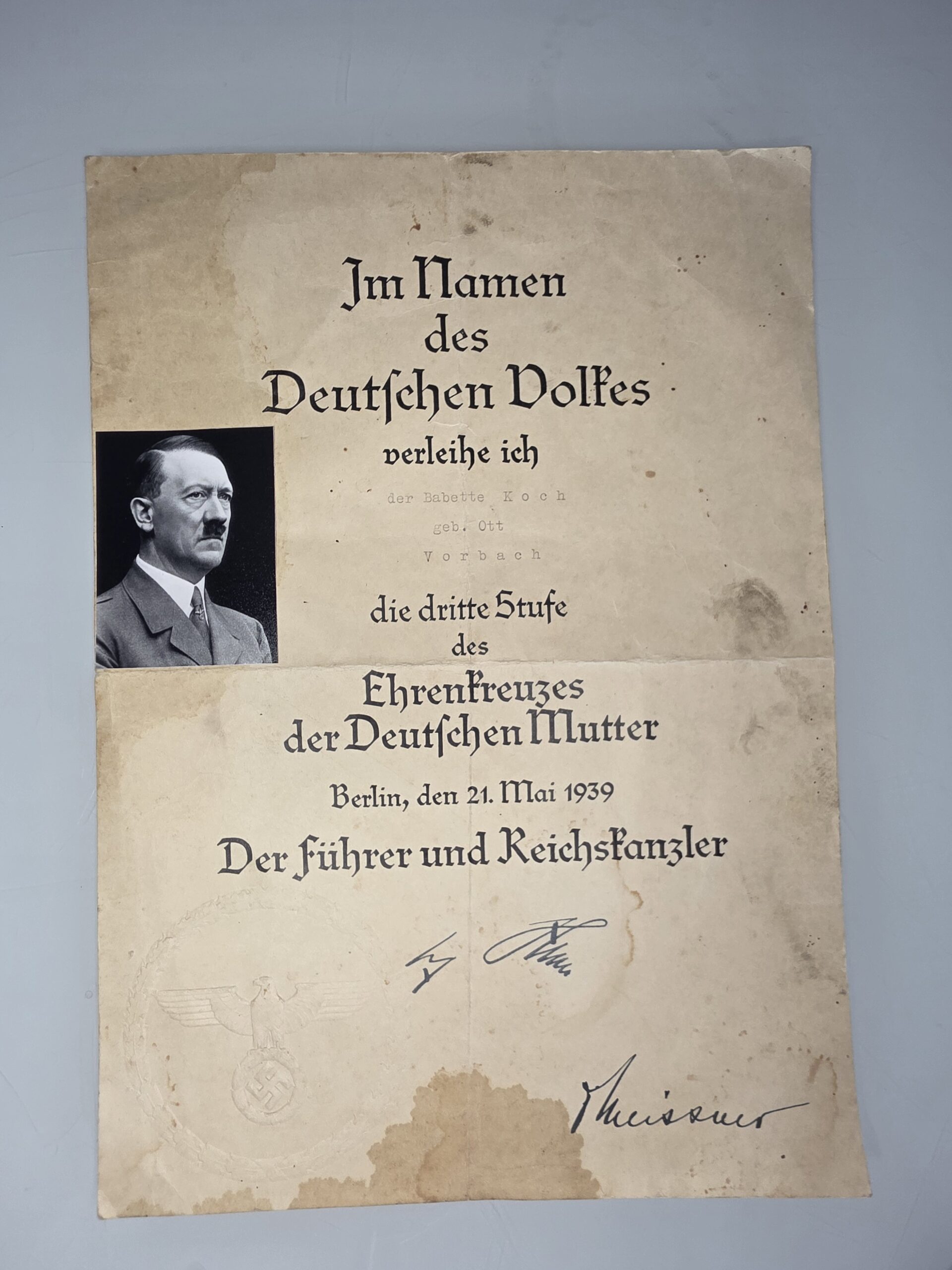
Why does Adolf Hitler’s facsimile signature appear on so many original documents? A collector’s study of authority, bureaucracy and terror in Nazi Germany, and how a printed signature differs from an autograph.
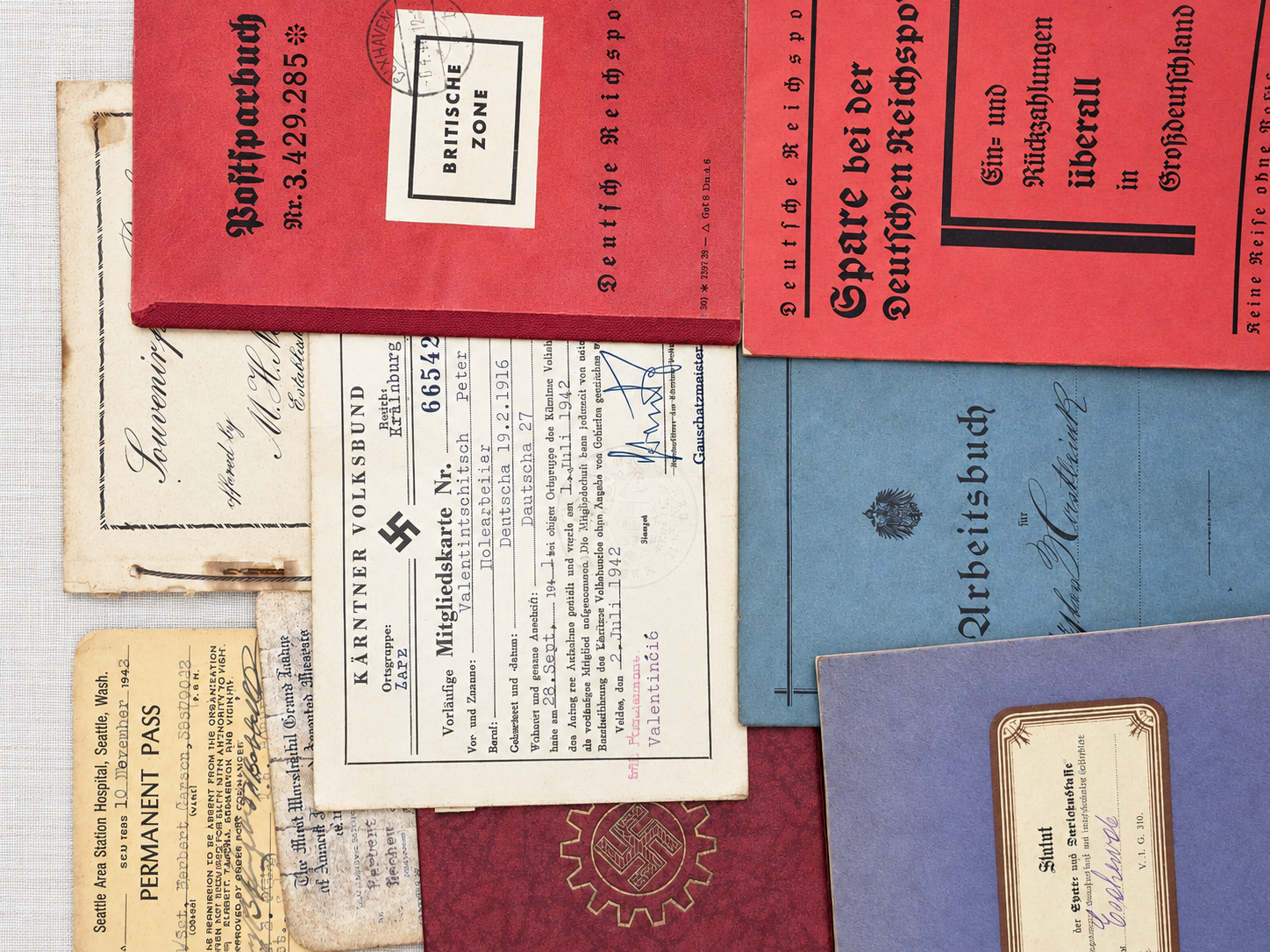
A practical collector’s guide to cataloguing historical autographs, documents and militaria: reference numbers, photography, provenance, condition, related groups and collection records.
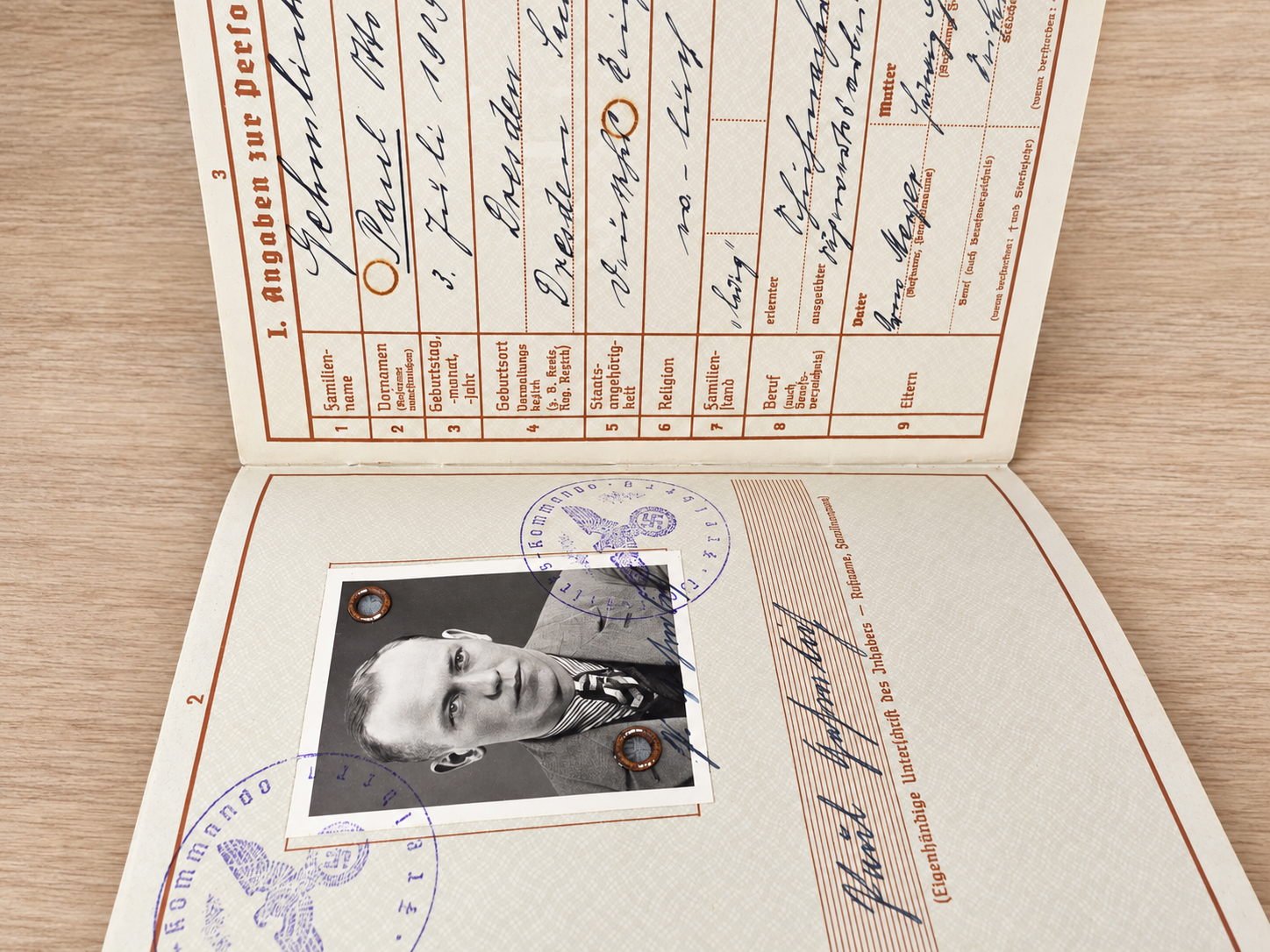
Learn how to read WWII German military abbreviations, unit stamps and service entries in Wehrpass, Soldbuch and other wartime documents.
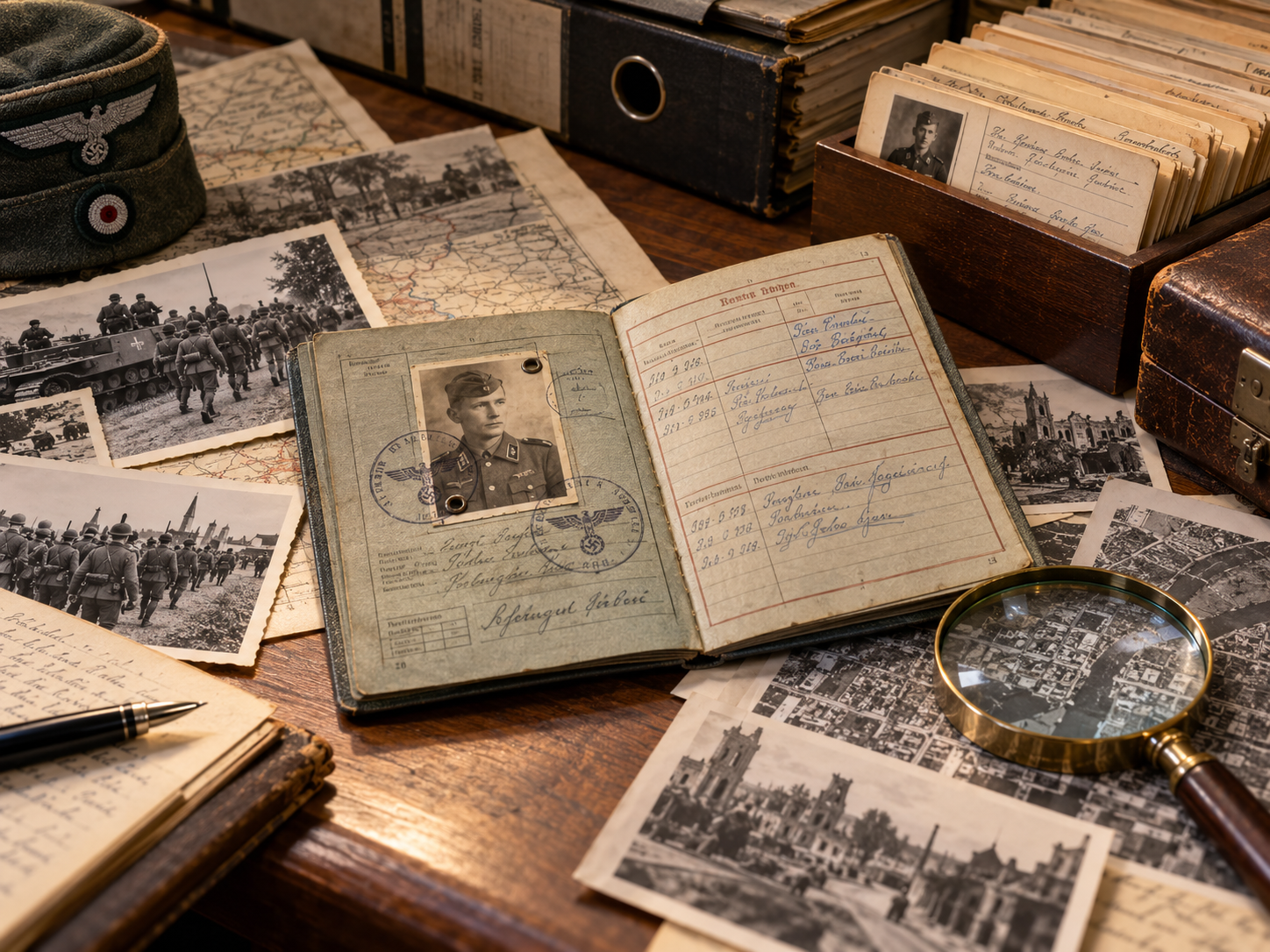
Learn how to read and research a German Wehrpass, from personal details and military units to awards, campaigns, casualty entries and authenticity checks.
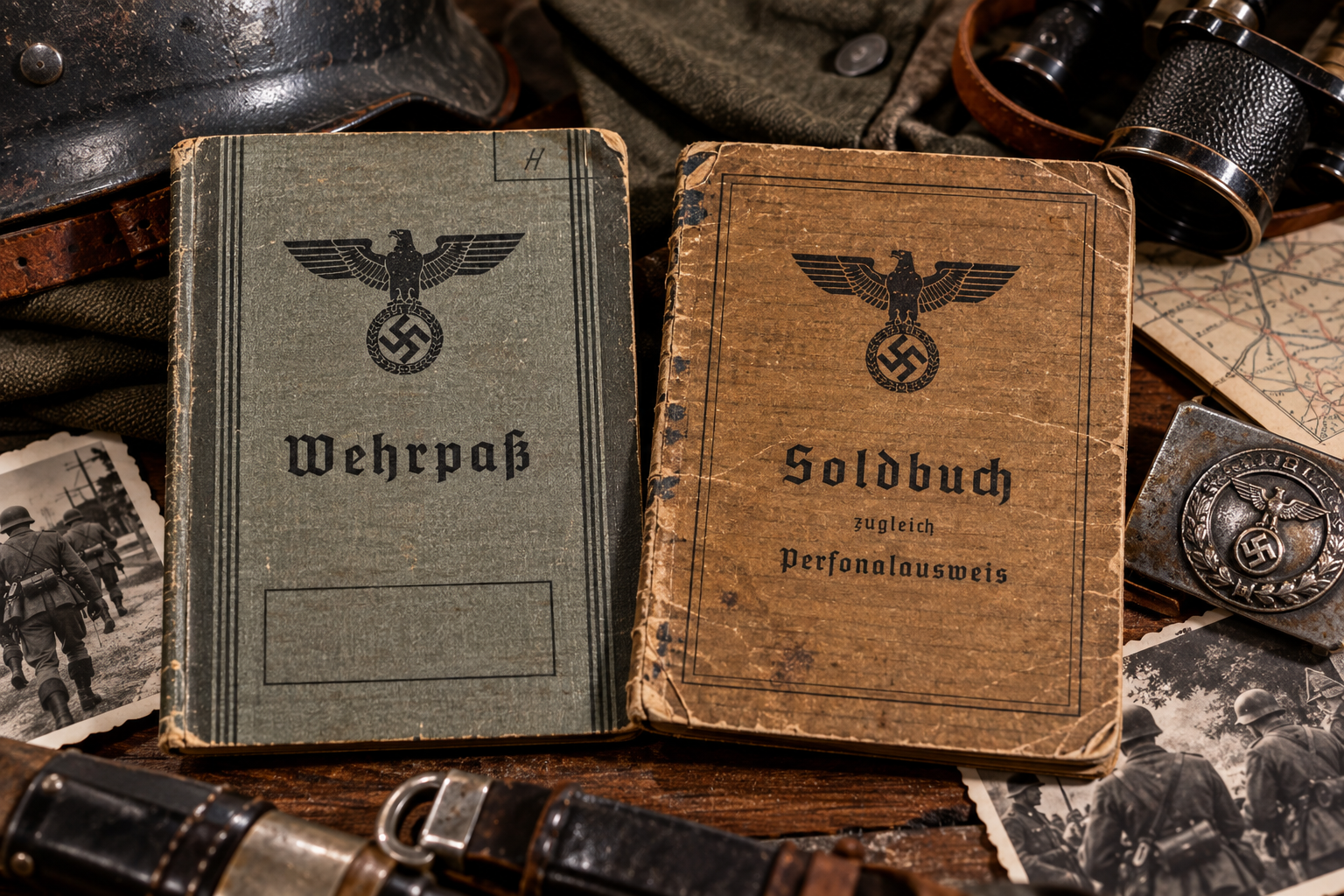
Understand the difference between a Wehrpass and Soldbuch, what each document recorded, how they were used, and what collectors should examine today.
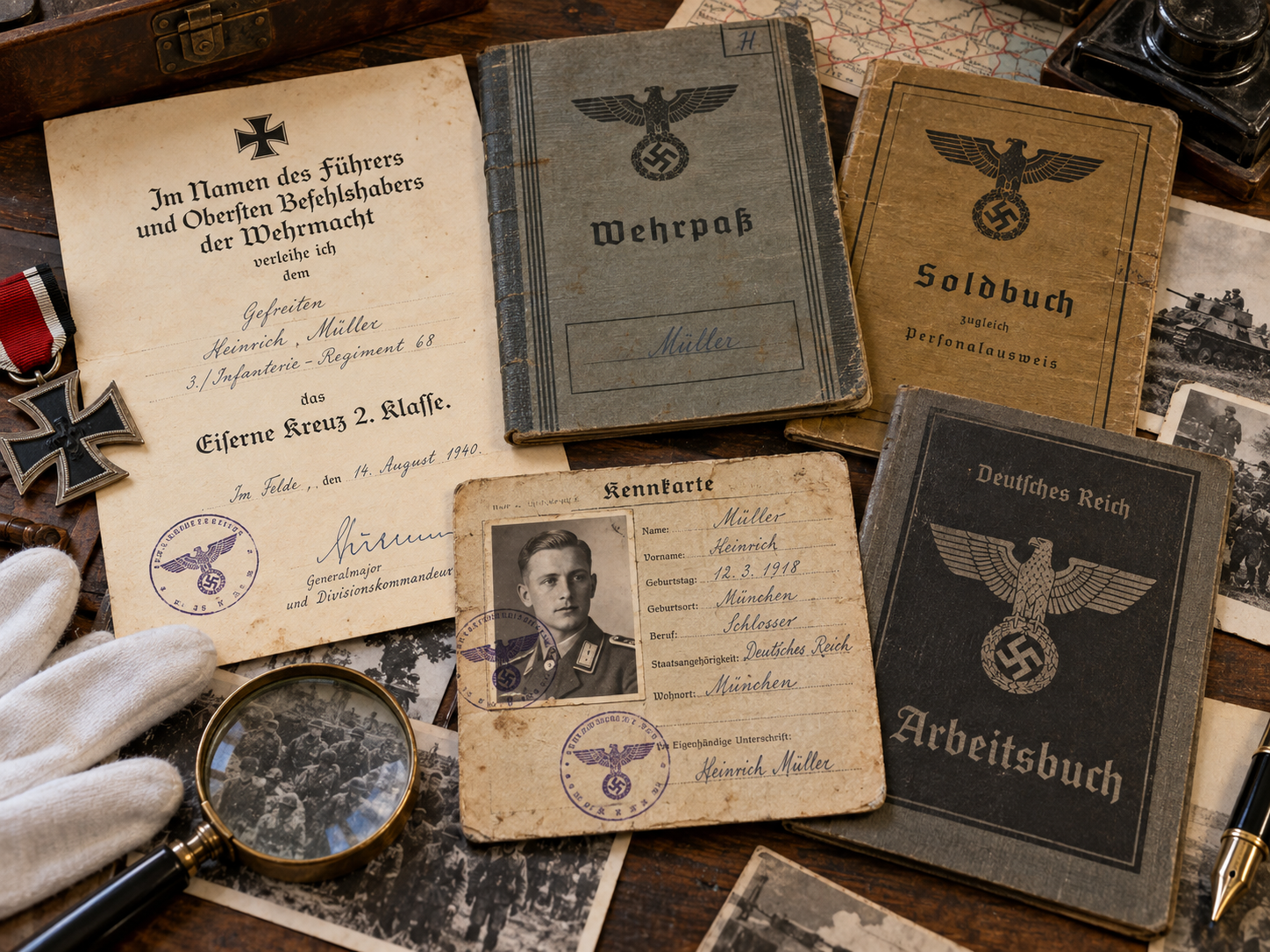
Explore WW2 German documents including Wehrpass, Soldbuch, Kennkarte, Arbeitsbuch and award papers, with guidance on identification, authenticity, provenance and collector research.
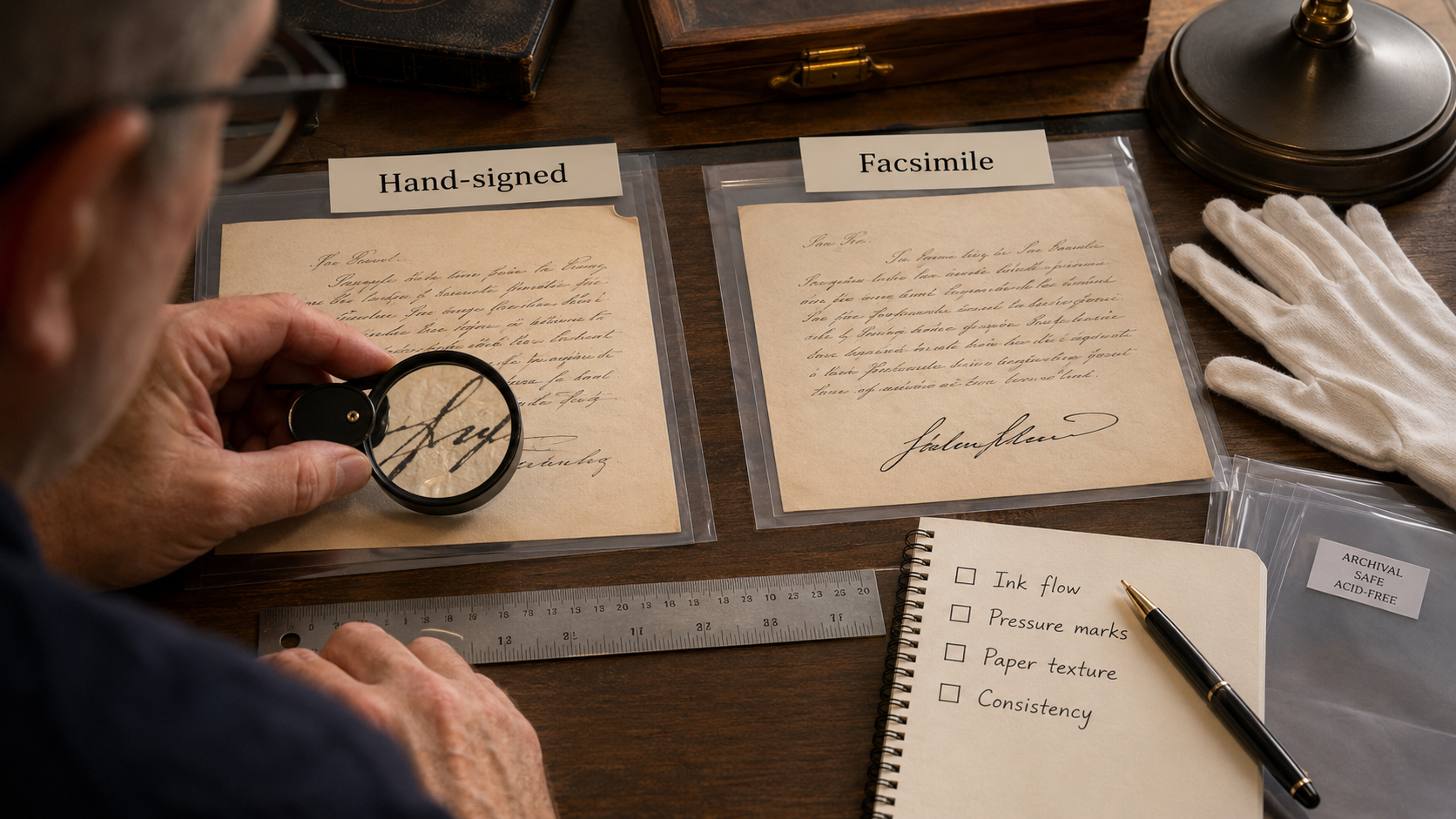
What a facsimile signature is, why it matters to collectors, how to identify one and how it differs from an original handwritten autograph.
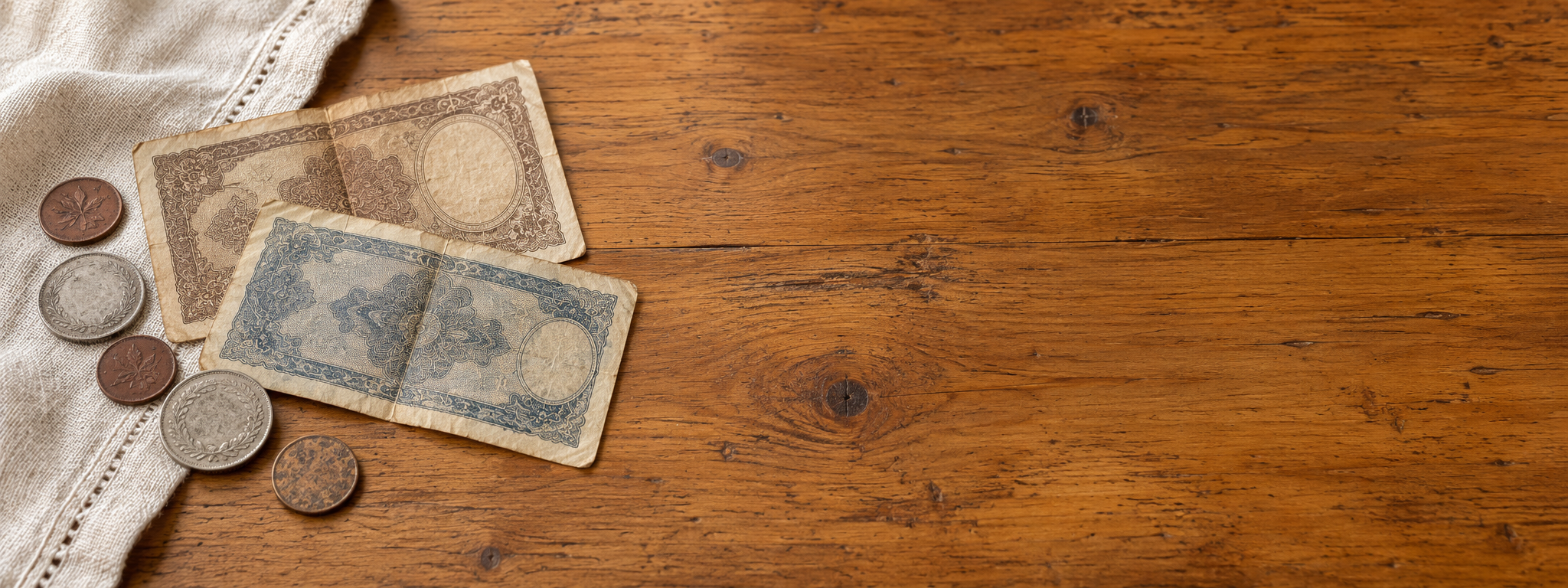
Historical autographs, rare documents and militaria can hold long-term value when supported by scarcity, authenticity, provenance, condition and serious collector demand.
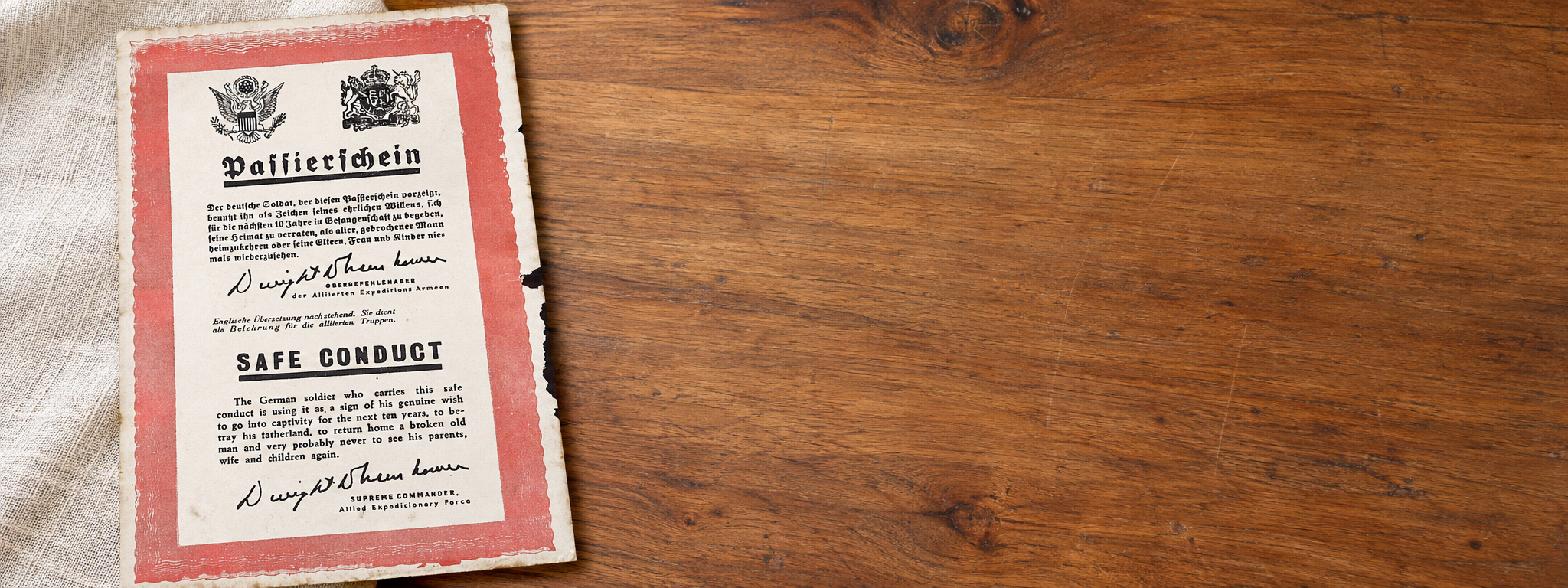
Responsible collecting is not ideology, but preservation. Historical artifacts can be studied, documented and preserved with neutrality, context and intellectual independence.