The Collector’s Encyclopaedia · Signatories · Government & Party
Albert Speer (1905–1981): Signature, Documents and Historical Profile
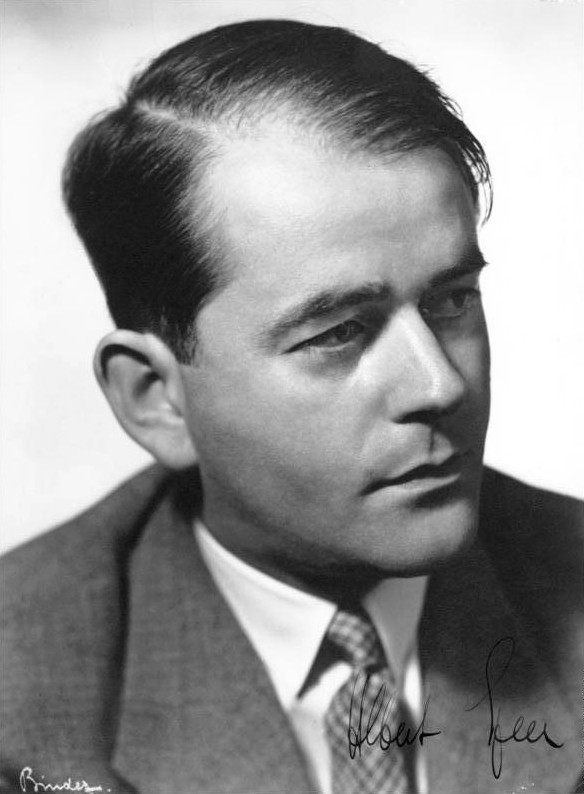
| Born | 19 March 1905, Mannheim |
|---|---|
| Died | 1 September 1981, London |
| Key offices | General Building Inspector for Berlin (1937); Reich Minister for Armaments and Munitions (15 February 1942), later Armaments and War Production |
| Documents bearing his name | Wartime ministry papers; post-war signed books, letters and photographs |
| In the collection | 2 pieces currently available (see below) |
Albert Speer is unusual among the leaders of the Third Reich because he lived for decades after the war and signed a great deal as an author. Collectors therefore meet two very different groups of Speer signatures: wartime documents of his ministry, and post-war autographs in his books and letters. Distinguishing them, and understanding the record behind them, matters a great deal.
Who Was Albert Speer?
Speer was born in Mannheim in 1905, the son of an architect. He joined the Nazi Party in January 1931 and became Hitler’s favourite architect. In 1937 he was appointed General Building Inspector for the redesign of Berlin. After Fritz Todt died in a plane crash, Hitler made him Reich Minister for Armaments and Munitions on 15 February 1942; in September 1943 his responsibilities were expanded into the Reich Ministry for Armaments and War Production.
What Documents Bear Speer’s Signature?
Wartime signatures appear on ministry correspondence, appointment papers and documents of the armaments administration. Post-war signatures are much more common: Speer signed copies of his memoirs and other books, letters and photographs after his release in 1966. Both are genuine autographs, but they belong to different periods and are valued differently. A post-war signature should never be described as wartime. See original signature or facsimile.
What Should Collectors Watch For?
- Separate wartime documents from post-war autographs.
- Check ministry titles against dates: armaments minister from February 1942.
- Compare signatures only with exemplars from the same period.
Responsibility and Fate
The war economy that Speer directed relied on forced labourers and concentration camp prisoners on a massive scale. On 1 October 1946 the Nuremberg tribunal sentenced him to 20 years for war crimes and crimes against humanity. He was released from Spandau on 30 September 1966 and spent his later years presenting himself as an apolitical technocrat, a picture historians have since thoroughly revised. He died in London on 1 September 1981.
Collector’s Note
Speer is a good example of why a date matters as much as a name. A signature on a 1943 ministry document and one in a 1970 copy of his memoirs are both authentic, but they tell completely different stories and should be described accordingly.
Related Entries and Pieces
Pieces in the Collection
Browse the full Collector’s Encyclopaedia →
Frequently Asked Questions
Are Speer signed books genuine?
Many are, because Speer signed books after 1966. Each still needs examination and, ideally, provenance.
When did Speer become armaments minister?
On 15 February 1942, after the death of Fritz Todt.
What was Speer sentenced to at Nuremberg?
Twenty years, on 1 October 1946.
Historical Responsibility Notice: this entry documents historical figures and artefacts of the National Socialist period for collecting, preservation, education and research. It does not endorse or glorify any ideology, and it is written in memory of the victims of the regime.
References & Further Reading
- Deutsches Historisches Museum, LeMO – Lebendiges Museum Online, Albert Speer 1905–1981 (G. Eikenberg; last updated 2020).