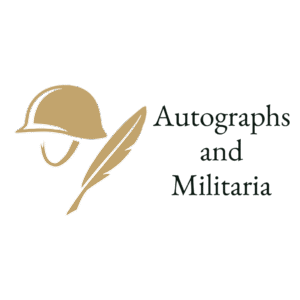
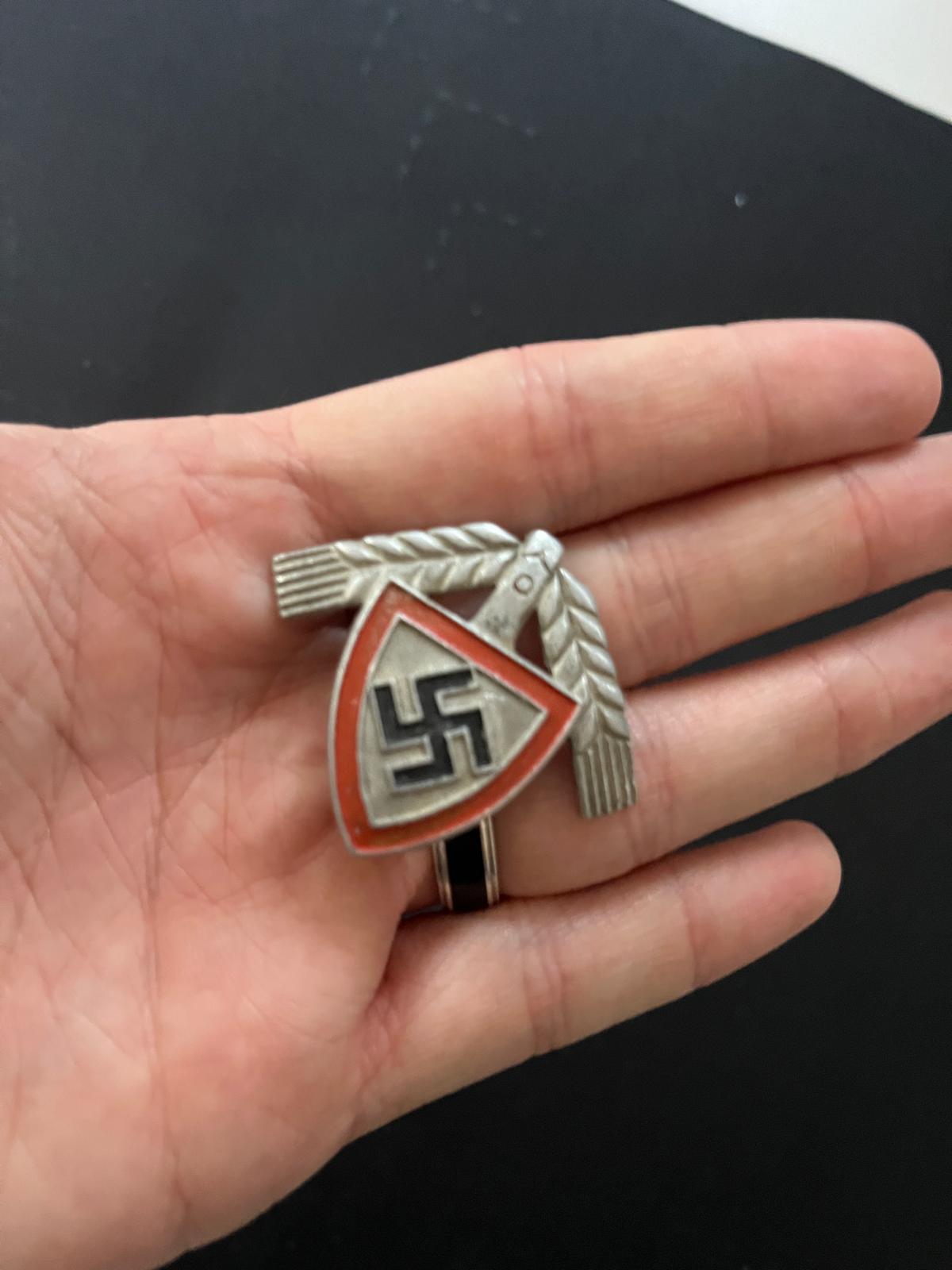
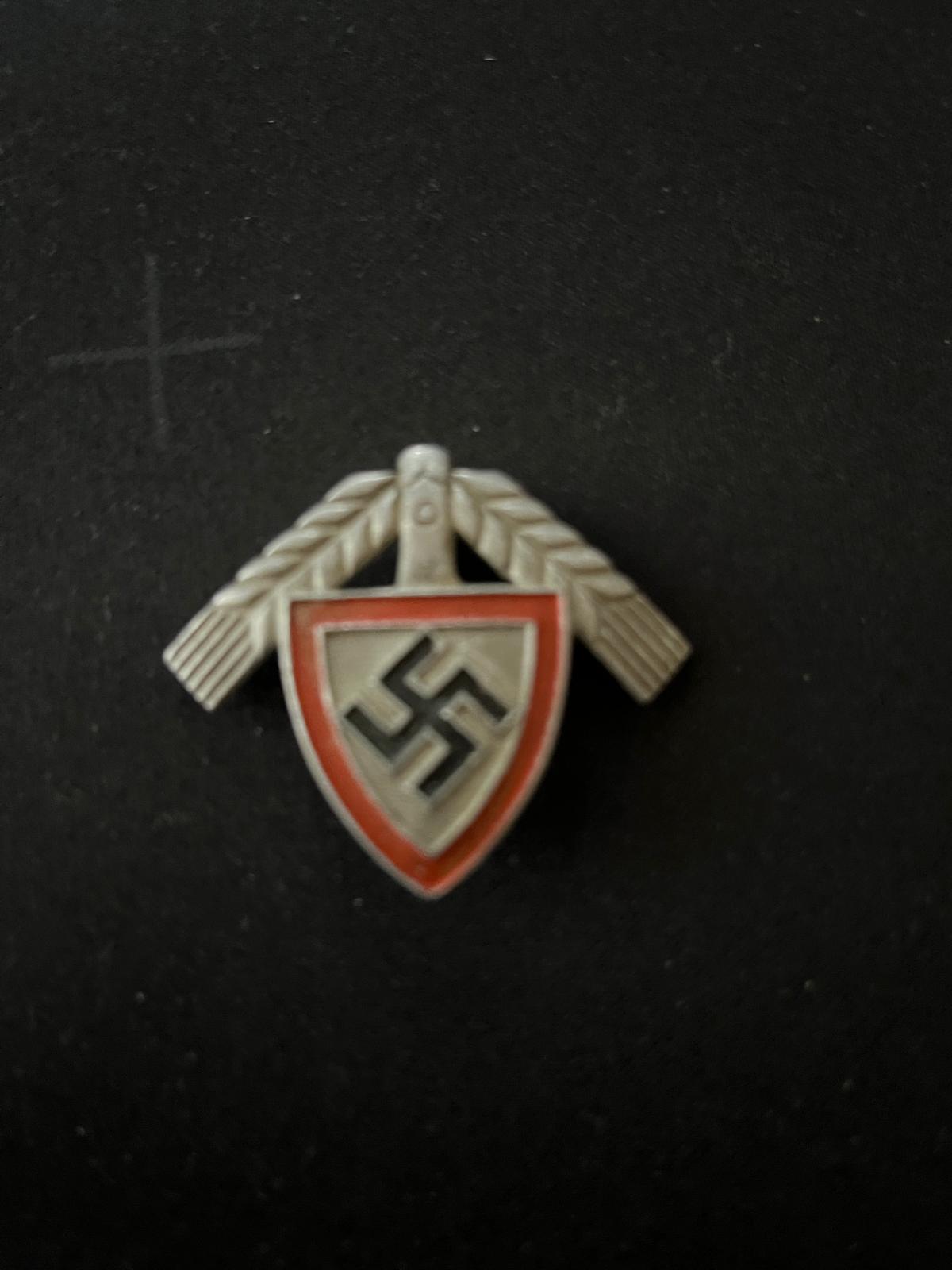
Original WWII German RAD Leader Cap Badge – Enamelled Insignia
109,00 €
Archive record
Listed from a private collection · availability confirmed personally · price as shown
Authentication & Certification
Signatures and documents in this collection are examined by Juan García Nicolás, a qualified graphologist and forensic handwriting examiner, on a coherent set of features rather than a single sign.
Document Authentication & Certification →
Graphology & Signature Analysis →
Authenticity & Provenance policy →
Description
Original WWII German RAD Leader Cap Badge
Original period Reichsarbeitsdienst (RAD) leader’s cap badge, an attractive example of the distinctive metal insignia used with the uniform headgear of leadership personnel within the German Reich Labour Service.
The badge features the characteristic RAD emblem formed by a central spade or shovel head, a black swastika and two outward-facing ears of wheat. The central shield-shaped spade is bordered in red, while the surrounding elements retain a silver-coloured finish.
This more elaborate coloured construction is particularly important for identifying the piece. Specialist references distinguish the enamelled cap insignia used by RAD leaders/officers from the simpler versions issued to enlisted personnel, which were generally manufactured from aluminium or other base metals with painted details.
Reichsarbeitsdienst Cap Insignia
The Reichsarbeitsdienst, commonly abbreviated RAD, became the compulsory German Labour Service under legislation adopted in June 1935. Contemporary German government records document the introduction of a general six-month labour-service obligation for young men.
The organisation combined public labour projects with strict discipline, ideological instruction and preparation for later military service. The United States Holocaust Memorial Museum notes that young men were expected to enter either military service or the Reich Labour Service as they reached adulthood.
The RAD developed its own elaborate uniform system, insignia and rank structure. Among its most recognisable symbols was the spade combined with wheat ears and the swastika, a motif intended to associate physical labour with the organisation’s ideological presentation.
This emblem appeared on uniforms, headgear, flags, badges and equipment.
Leader / Officer Version
INS09 is especially interesting because it appears to be the higher-quality Führer or leader version of the RAD cap insignia.
The leader badge differs significantly from the more commonly encountered enlisted badge.
Period-style leader examples are known in enamelled non-ferrous metal, whereas simpler rank-and-file versions were commonly produced in lighter or less elaborate metals with painted colouration. Weitze currently catalogues multiple surviving Führer examples specifically as Mützenabzeichen für Führer in enamelled Buntmetall.
MedalBook similarly distinguishes officer badges as silvered metal with black, red and light enamel, while describing enlisted versions as aluminium with painted black and red details.
The appearance of the present piece is fully consistent with this leader-type configuration.
Design
The badge incorporates three principal symbolic elements:
The spade: central emblem of the RAD and representative of labour service.
Wheat ears: positioned symmetrically around the upper section of the spade.
Swastika: placed prominently in the central field.
On this example the contrast between the red border, dark swastika and silver-coloured metal remains particularly strong, making it visually more attractive than many heavily oxidised or paint-worn enlisted badges.
Use on RAD Headgear
The metal emblem was used as a headgear insignia on RAD uniform caps.
RAD headgear survives with the organisation’s characteristic spade-and-wheat insignia positioned centrally on the front. Original caps preserved by specialist dealers demonstrate the placement of this emblem on service and field headgear.
The quality and construction varied according to period and rank.
For leader grades, the enamelled metal version offered a substantially more refined appearance than standard issue examples.
Construction
From the available photographs, the piece appears to consist of:
- silver-coloured metal construction;
- red enamel or enamel-like border;
- black central swastika;
- light central spade field;
- detailed wheat ears;
- three-dimensional die-struck relief.
The metal surface displays natural age toning while the red and black coloured areas remain visually strong.
Reverse and Manufacturer
The reverse has not yet been photographed.
This is the one element I would add before publishing the definitive technical description.
Original RAD badges can display manufacturer markings and different attachment arrangements. Examples recorded by specialist dealers include pieces marked by companies such as Assmann & Söhne, as well as other authorised German insignia manufacturers.
Until the reverse is inspected, no manufacturer should be attributed.
Likewise, the number and condition of the mounting prongs should be confirmed from a rear photograph.
Historical and Collector Interest
RAD material occupies a particular area between political, uniform and paramilitary collecting.
Unlike a Wehrmacht Army badge, this insignia did not belong to the Heer, Luftwaffe or Kriegsmarine. It was an organisational insignia of the Reichsarbeitsdienst.
The distinction is important for accurate cataloguing.
The piece is particularly attractive for collectors because it combines:
- an immediately recognisable RAD design;
- coloured enamel;
- leader/officer-type construction;
- good visual definition;
- uniform/headgear association;
- relatively substantial size compared with many small political pins.
The higher-quality enamelled leader versions are also commercially stronger than the much more common painted enlisted cap badges.
CONDITION
The badge remains in attractive used period condition.
The silver-coloured surfaces show age toning and light surface wear. The wheat-ear and central-spade detailing remain clearly visible.
The red border retains strong colour and the black swastika remains clearly defined.
From the photographs supplied, I do not see major front-facing enamel loss, although close examination is recommended because fine hairline cracking can be difficult to identify in photographs.
No restoration is claimed.
The reverse, attachment system and maker markings remain to be documented.
Photographs form an integral part of the condition description.
AUTHENTICITY / ATTRIBUTION NOTE
The front design, proportions, colour configuration and apparent construction correspond closely with documented period RAD Führer / leader cap badges.
Definitive manufacturer attribution should only be made after examination of the reverse.
HISTORICAL RESPONSIBILITY NOTICE
This original historical object is offered strictly for historical, documentary, educational, research and collecting purposes.
Autographs & Militaria has no political or ideological affiliation with, sympathy for or endorsement of National Socialism, the Nazi regime or the organisations and symbols represented by this historical material.
What is this insignia?
It is a Reichsarbeitsdienst RAD cap badge, specifically the higher-quality type associated with leader or officer grades.
What does the design represent?
The emblem combines a stylised labour spade, two wheat ears and the swastika, forming the principal visual symbol of the RAD.
Is this the normal enlisted RAD badge?
It appears not to be. Enlisted badges were generally simpler painted metal examples, while leader/officer badges were produced in higher-quality silvered metal with enamel.
Is it a military Wehrmacht badge?
No. The RAD was a separate labour-service organisation rather than a branch of the Wehrmacht, although it became increasingly connected with wartime and military-support activities.
Is the manufacturer known?
Not yet. A clear photograph of the reverse is needed to check maker markings and the attachment system.
Are enamelled RAD leader badges more valuable?
Generally yes. Current specialist asking prices for complete enamelled leader badges are approximately €130–€150, while damaged examples can be substantially lower.
Further Reading
For historical background, see Deutsches Historisches Museum: “Ehrenzeichen”, on the history of German decorations.
Before buying, read my Complete Collector’s Guide to WWII German Medals.
Additional information
| Availability | Sold |
|---|
How to acquire a piece
- Note the reference (SKU) shown on this page.
- Send an enquiry by the form below, email or WhatsApp. I reply personally to confirm availability.
- Once availability is confirmed, I send payment details. The asking price is the one shown.
- The piece is packed with care and dispatched with tracking.
Further reading
Ask about this piece
I reply personally to every enquiry. Ask about availability, shipping to your country, further photographs or any detail of the piece. Please include the reference (SKU).
Other related pieces
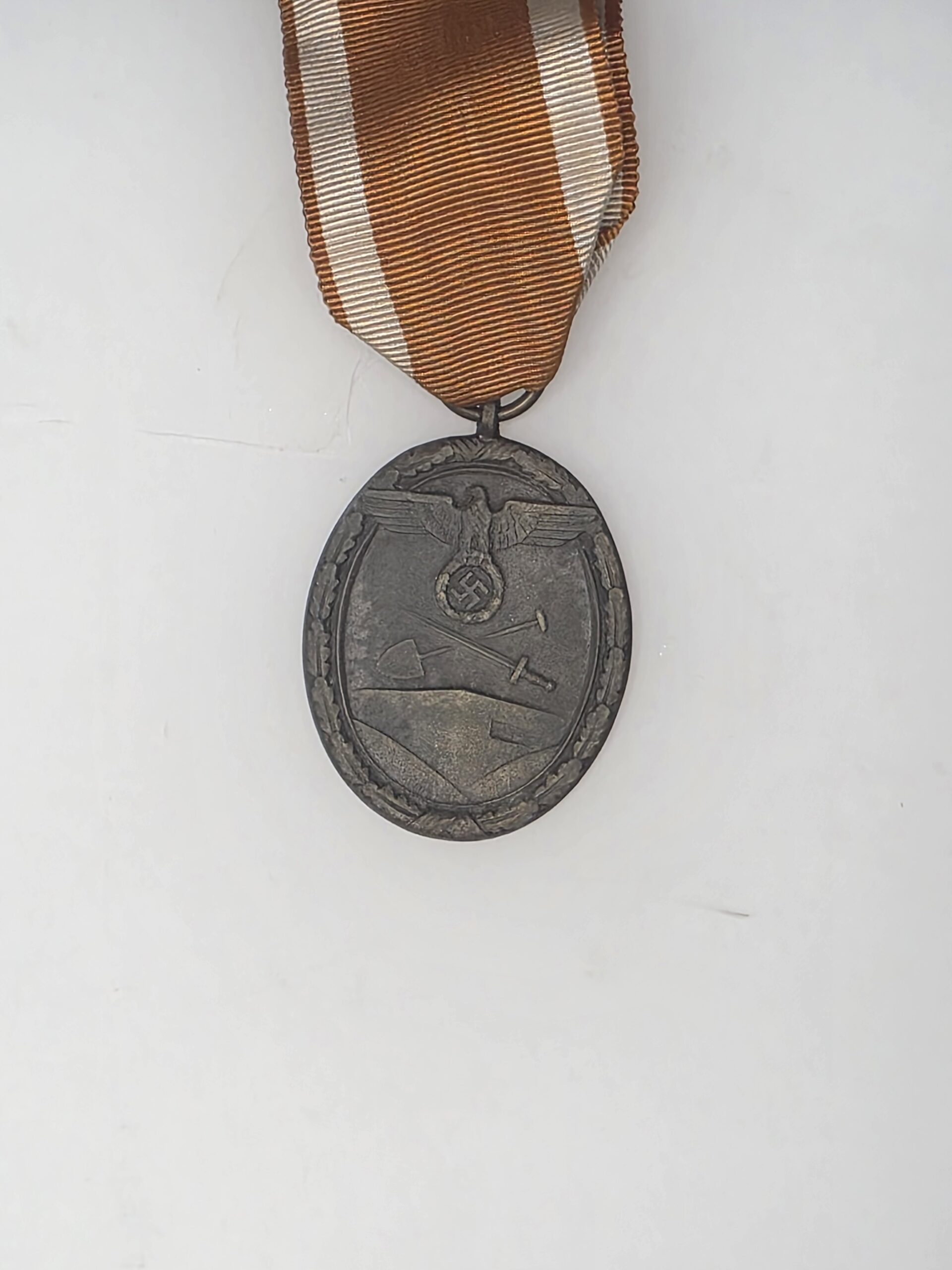
German West Wall Medal 1939 – Original Deutsches Schutzwall-Ehrenzeichen with Ribbon
59,00 €
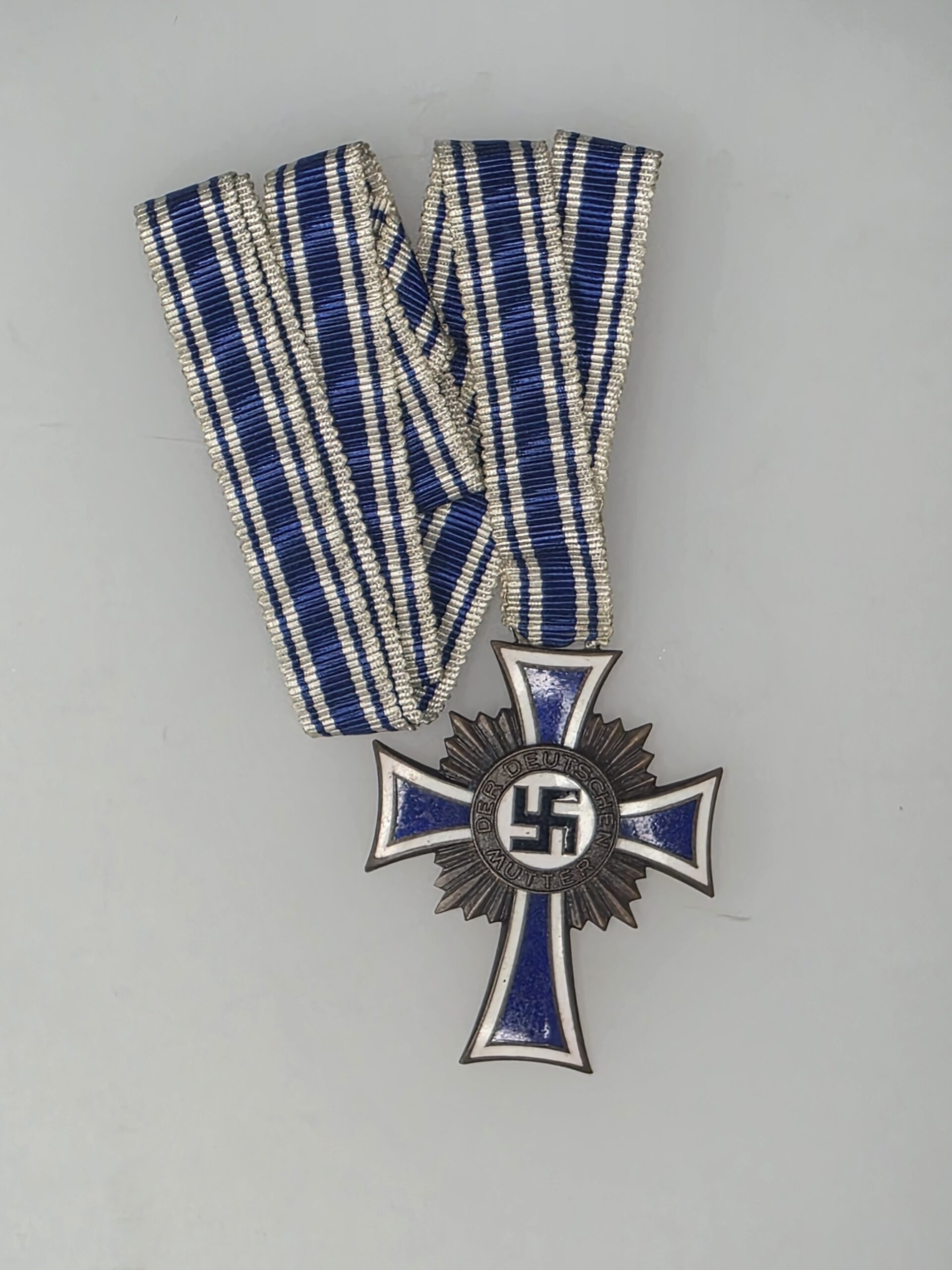
Mutterkreuz Bronze 3rd Class – Original German Mother’s Cross 1938 with Ribbon
50,00 €
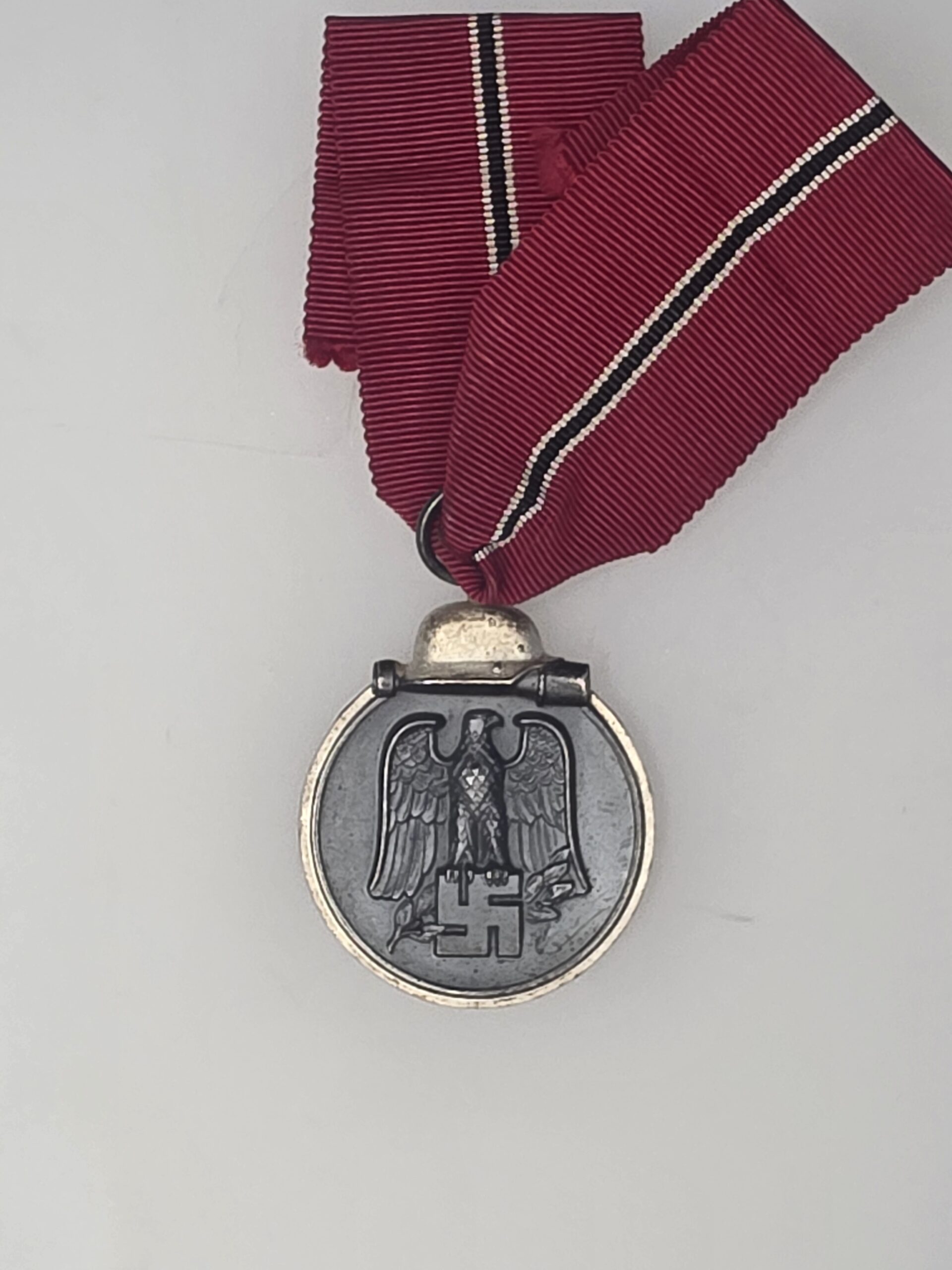
Ostmedaille Winterschlacht im Osten 1941/42 – Original German Eastern Front Medal with Ribbon
79,00 €
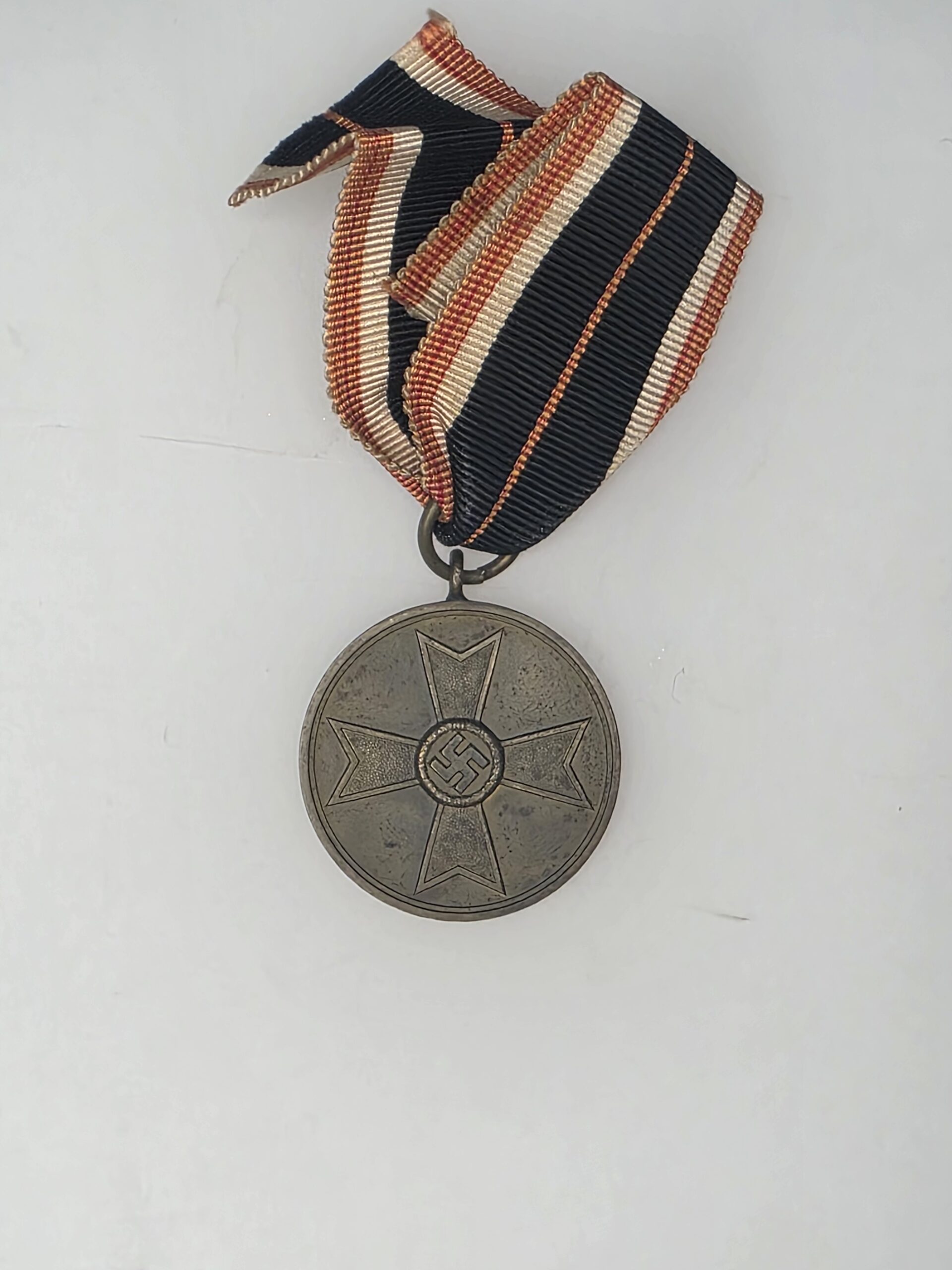
Aged Kriegsverdienstmedaille 1939 – Original German War Merit Medal with Ribbon
49,00 €
Collector Updates
Discover new historical pieces, collector guides and research from Autographs & Militaria. One concise weekly update, only when there is something new.
New collection arrivals · Collector’s Journal · Historical research
Private collection. This piece is listed from the catalogue of a private collection, not an online shop. Please read the description, photographs and condition notes carefully, and contact me to confirm availability or ask any question before purchase. Kindly quote the reference (SKU) in your message.
Historical Responsibility Notice. Material from sensitive historical periods is documented as a historical artefact for collecting, conservation, education and research. Its description does not endorse or glorify any ideology. Buyers are responsible for complying with the laws of their own country on the import, ownership and display of such items.