The Collector’s Encyclopaedia · Signatories · Government & Party
Franz von Papen (1879–1969): Signature, Documents and Historical Profile
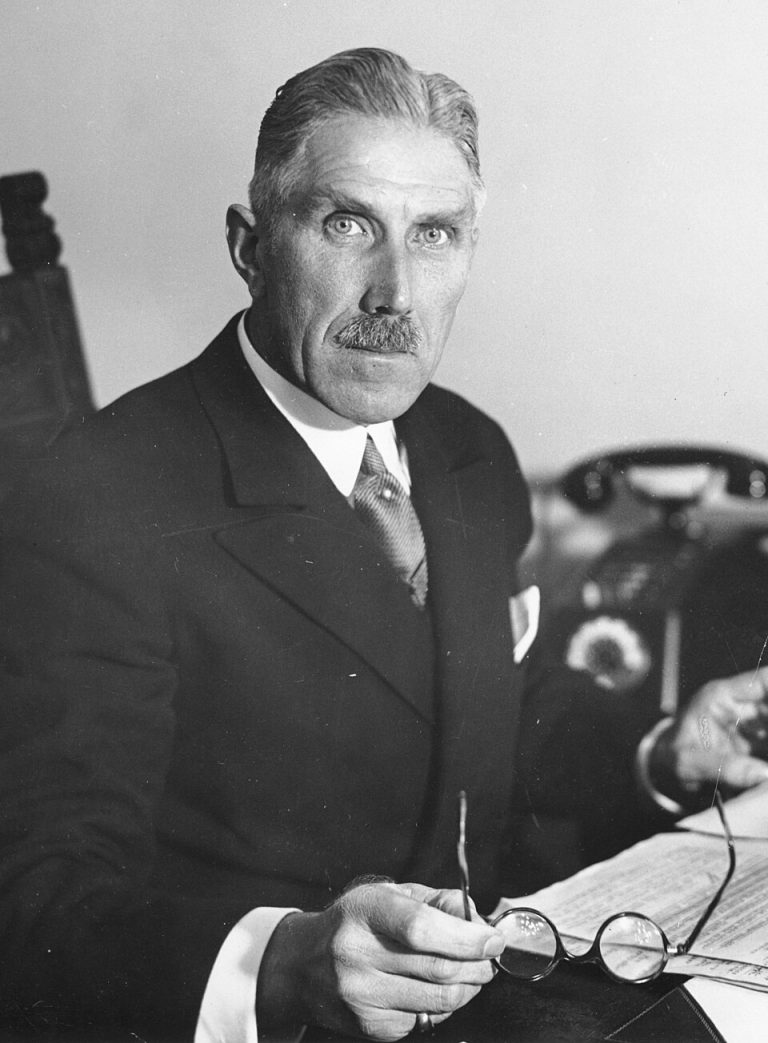
| Born | 29 October 1879, Werl |
|---|---|
| Died | 2 May 1969, Obersasbach |
| Key offices | Reich Chancellor (June–December 1932); Vice-Chancellor (1933–1934); envoy to Austria (1934–1938); ambassador to Turkey (1939–1944) |
| Documents bearing his name | Government papers 1932–34, diplomatic correspondence, post-war letters and books |
| In the collection | 1 piece currently available (see below) |
Franz von Papen helped bring Hitler to power and then served him as Vice-Chancellor and diplomat. Because he lived until 1969 and wrote memoirs, collectors meet both his official signatures of the 1930s and many post-war autographs.
Who Was Franz von Papen?
Papen was born in Werl in 1879. He became Reich Chancellor on 1 June 1932 and was replaced by Kurt von Schleicher on 4 December 1932. In January 1933 he joined Hitler’s cabinet as Vice-Chancellor, and resigned in the days after the purge of 30 June 1934. He then served as envoy to Austria from 1934 to 1938 and as ambassador to Turkey from 1939 to 1944.
What Documents Bear Papen’s Signature?
Original signatures appear on government documents of 1932–34, on diplomatic correspondence of the legations in Vienna and Ankara and on post-war letters, photographs and books. Pre-war and post-war signatures should be described separately. See original signature or facsimile.
What Should Collectors Watch For?
- Office must agree with the date: Chancellor only from June to December 1932.
- Separate wartime diplomatic documents from post-war autographs.
- Check legation letterheads against his postings.
Responsibility and Fate
The International Military Tribunal acquitted Papen in 1946. A German denazification court then sentenced him to eight years as a major offender; on appeal in 1949 he was released and fined. He died in 1969.
Collector’s Note
Papen’s long life gives collectors a wide range of signatures. I always ask which Papen I am looking at: the Chancellor of 1932, the diplomat of the war years or the memoirist of the 1950s.
Related Entries and Pieces
Pieces in the Collection
Browse the full Collector’s Encyclopaedia →
Frequently Asked Questions
Was Papen convicted at Nuremberg?
No. The International Military Tribunal acquitted him in 1946, but a German court later classified him as a major offender.
When was Papen Chancellor?
From 1 June to 4 December 1932.
Are post-war Papen signatures common?
Yes, more common than wartime official signatures.
Historical Responsibility Notice: this entry documents historical figures and artefacts of the National Socialist period for collecting, preservation, education and research. It does not endorse or glorify any ideology, and it is written in memory of the victims of the regime.
References & Further Reading
- Encyclopaedia Britannica, Franz von Papen.