The Collector’s Encyclopaedia · Signatories · Government & Party
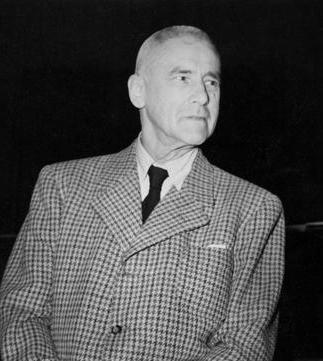
Wilhelm Frick (1877–1946): Signature, Documents and Historical Profile
| Born | 12 March 1877, Alsenz (Palatinate) |
|---|---|
| Died | 16 October 1946, Nuremberg (executed) |
| Key offices | Reich Minister of the Interior (from 30 January 1933); Reich Protector of Bohemia and Moravia (from 20 August 1943) |
| Documents bearing his name | Interior Ministry decrees, appointments and correspondence; Protectorate documents 1943–45 |
| In the collection | No pieces currently available |
As Reich Minister of the Interior for more than ten years, Wilhelm Frick put his name to the legal and administrative measures that dismantled German democracy and excluded Jews from public life. His countersignature appears on large numbers of appointment certificates for civil servants, which makes him one of the signatories collectors most often meet on official documents.
Who Was Wilhelm Frick?
Frick was born in Alsenz in 1877 and trained as a lawyer. Working in the Munich police directorate, he supported the young Nazi Party and was convicted in 1924 for aiding the Hitler putsch. On 23 January 1930 he became the first Nazi to hold a ministerial post in a German state, in Thuringia. On 30 January 1933 he became Reich Minister of the Interior, responsible for the laws of the seizure of power, the “coordination” of the states and the racial laws, including the Nuremberg Laws of 1935, which were drawn up with his direct involvement. On 20 August 1943 he became Reich Protector of Bohemia and Moravia.
What Documents Bear Frick’s Signature?
His signature appears on Interior Ministry decrees and correspondence and, very often, as the countersignature on appointment certificates of civil servants signed by the head of state. Protectorate documents date from 1943 to 1945. Typed “gez. Frick” copies of decrees are common. See original signature or facsimile and appointment certificates.
What Should Collectors Watch For?
- Interior Ministry documents fall between January 1933 and August 1943.
- His countersignature must match the head of state who signed and the date.
- Distinguish ink signatures from typed copies of decrees.
Responsibility and Fate
The International Military Tribunal convicted Frick on all three counts against him and sentenced him to death on 1 October 1946. He was hanged in Nuremberg on 16 October 1946.
Collector’s Note
Frick’s countersignature is a frequent companion to Hitler’s or Hindenburg’s on appointment documents. I always check that the two signatures, the date and the ministry all belong together.
Related Entries and Pieces
Browse the full Collector’s Encyclopaedia →
Frequently Asked Questions
When was Frick Reich Minister of the Interior?
From 30 January 1933 until August 1943.
Why does Frick’s signature appear on so many appointment certificates?
As Interior Minister he countersigned appointments of civil servants in his area of responsibility.
What happened to Frick?
He was sentenced to death at Nuremberg and hanged on 16 October 1946.
Historical Responsibility Notice: this entry documents historical figures and artefacts of the National Socialist period for collecting, preservation, education and research. It does not endorse or glorify any ideology, and it is written in memory of the victims of the regime.
References & Further Reading
- Schulz, G. (1961) ‘Frick, Wilhelm’, Neue Deutsche Biographie, 5, pp. 432–433.