The Collector’s Encyclopaedia · Signatories · Wehrmacht
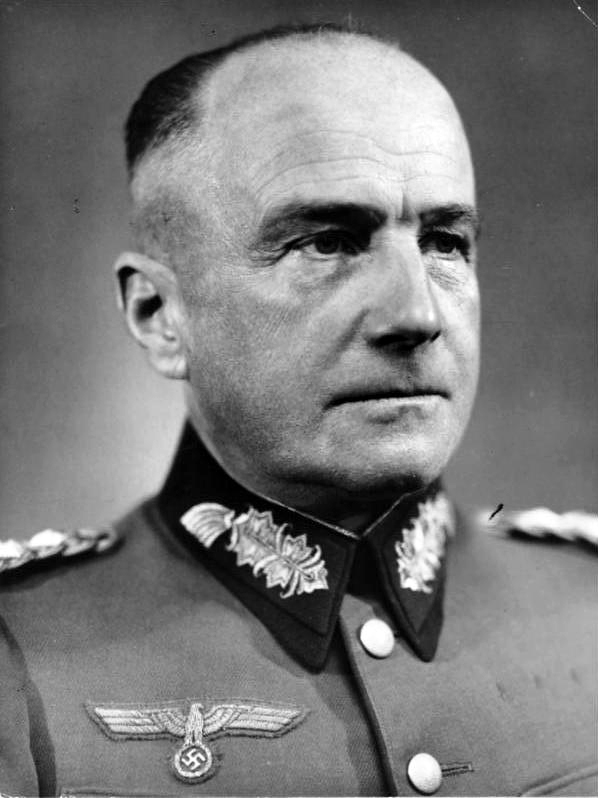
Walther von Brauchitsch (1881–1948): Signature, Documents and Historical Profile
| Born | 4 October 1881, Berlin |
|---|---|
| Died | 18 October 1948, Hamburg (in British custody) |
| Key offices | Commander-in-Chief of the Army (1938–December 1941); Generalfeldmarschall (1940) |
| Documents bearing his name | Army High Command orders, appointments and award papers 1938–41 |
| In the collection | No pieces currently available |
Walther von Brauchitsch led the German army in the victories of 1939 and 1940 and was dismissed after the failure before Moscow in December 1941, when Hitler took over command of the army himself.
Who Was Walther von Brauchitsch?
Brauchitsch was born in Berlin in 1881. In 1938 he became Commander-in-Chief of the Army, and in 1940 he was promoted to Generalfeldmarschall. In December 1941 Hitler dismissed him and assumed command of the army in person.
What Documents Bear Brauchitsch’s Signature?
His signature appears on documents of the Army High Command (OKH), appointments and award papers between 1938 and December 1941. See original signature or facsimile.
What Should Collectors Watch For?
- OKH documents signed by him fall between 1938 and December 1941.
- Rank: Generalfeldmarschall from 1940.
- Distinguish typed copies of orders.
Fate
Brauchitsch died in British military custody in Hamburg on 18 October 1948, before a trial against him could begin.
Collector’s Note
December 1941 is the end point for Brauchitsch’s army documents. Anything later in his name as Commander-in-Chief is a clear warning.
Related Entries and Pieces
Browse the full Collector’s Encyclopaedia →
Frequently Asked Questions
When did Brauchitsch command the army?
From 1938 until December 1941.
Who replaced Brauchitsch?
Hitler took personal command of the army.
What happened to Brauchitsch?
He died in British custody in Hamburg on 18 October 1948.
Historical Responsibility Notice: this entry documents historical figures and artefacts of the National Socialist period for collecting, preservation, education and research. It does not endorse or glorify any ideology, and it is written in memory of the victims of the regime.
References & Further Reading
- Deutsches Historisches Museum, LeMO – Lebendiges Museum Online, Walther von Brauchitsch 1881–1948 (M. Wichmann; last updated 2014).