
The Collector’s Encyclopaedia · Signatories · Culture & science
Leni Riefenstahl (1902–2003): Signature, Documents and Historical Profile
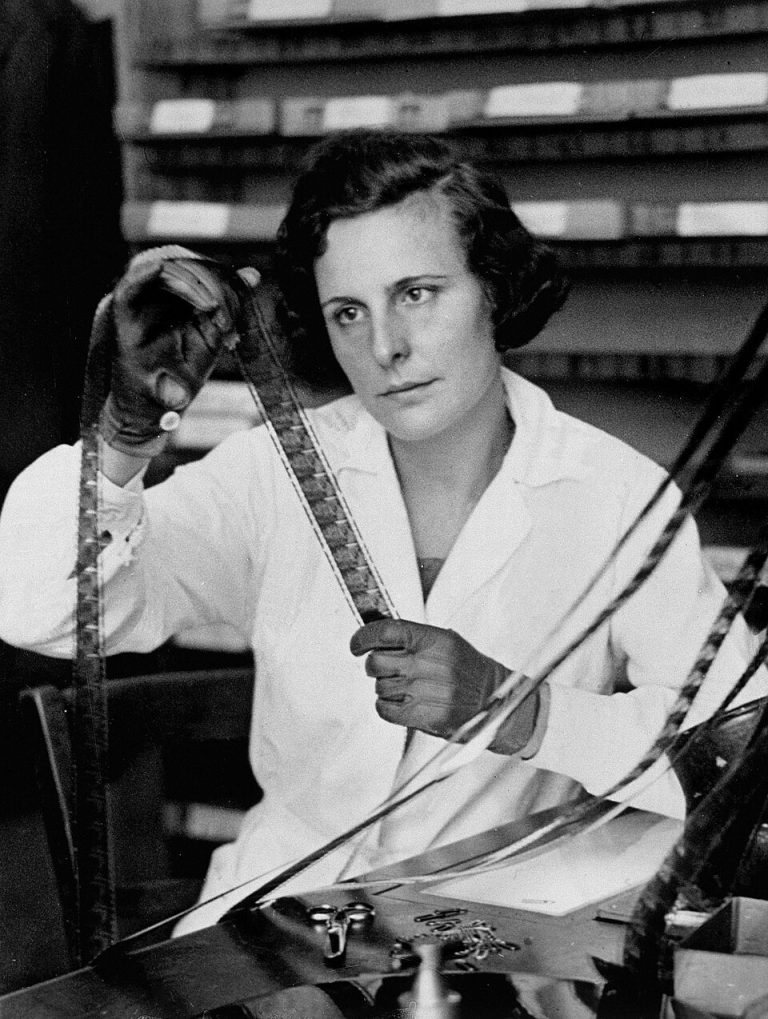
| Born | 22 August 1902, Berlin |
|---|---|
| Died | 8 September 2003, Pöcking |
| Key works | Triumph of the Will (1935); Olympia (1938); later photography |
| Documents bearing her name | Signed photographs, books and letters, mostly post-war |
| In the collection | No pieces currently available |
Leni Riefenstahl made the most famous propaganda films of the Nazi era. She lived to 101 and signed many photographs and books in later life, so most Riefenstahl autographs on the market are post-war.
Who Was Leni Riefenstahl?
Riefenstahl was born in Berlin in 1902. Her film Triumph of the Will (1935) documented the 1934 party rally in Nuremberg, and Olympia (1938) the 1936 Olympic Games. After the war she was detained, officially cleared of complicity in war crimes but blacklisted. She later worked as a photographer, publishing The Last of the Nuba in 1973. She died in 2003.
What Documents Bear Riefenstahl’s Signature?
Signed photographs, books and letters exist in large numbers from her post-war decades. Pre-war signed material is rarer and needs stronger provenance. See original signature or facsimile.
What Should Collectors Watch For?
- Most signatures are post-war; describe them as such.
- Pre-war material needs provenance.
- Film stills and publicity photographs may be printed reproductions.
Legacy
Riefenstahl’s films were central to the regime’s image-making. Her later claims of being an apolitical artist remain disputed.
Collector’s Note
Riefenstahl is a clear case of an artist whose late signatures are plentiful and genuine. The collector’s question is not “is it real?” so much as “from when?”.
Related Entries and Pieces
Browse the full Collector’s Encyclopaedia →
Frequently Asked Questions
What films did Riefenstahl make for the regime?
Triumph of the Will (1935) and Olympia (1938), among others.
Are Riefenstahl signatures common?
Post-war signatures are fairly common.
When did she die?
On 8 September 2003.
Historical Responsibility Notice: this entry documents historical figures and artefacts of the National Socialist period for collecting, preservation, education and research. It does not endorse or glorify any ideology, and it is written in memory of the victims of the regime.
References & Further Reading
- Encyclopaedia Britannica, Leni Riefenstahl.