The Collector’s Encyclopaedia · Signatories · Nationalist Spain
José Antonio Primo de Rivera (1903–1936): Signature, Documents and Historical Profile
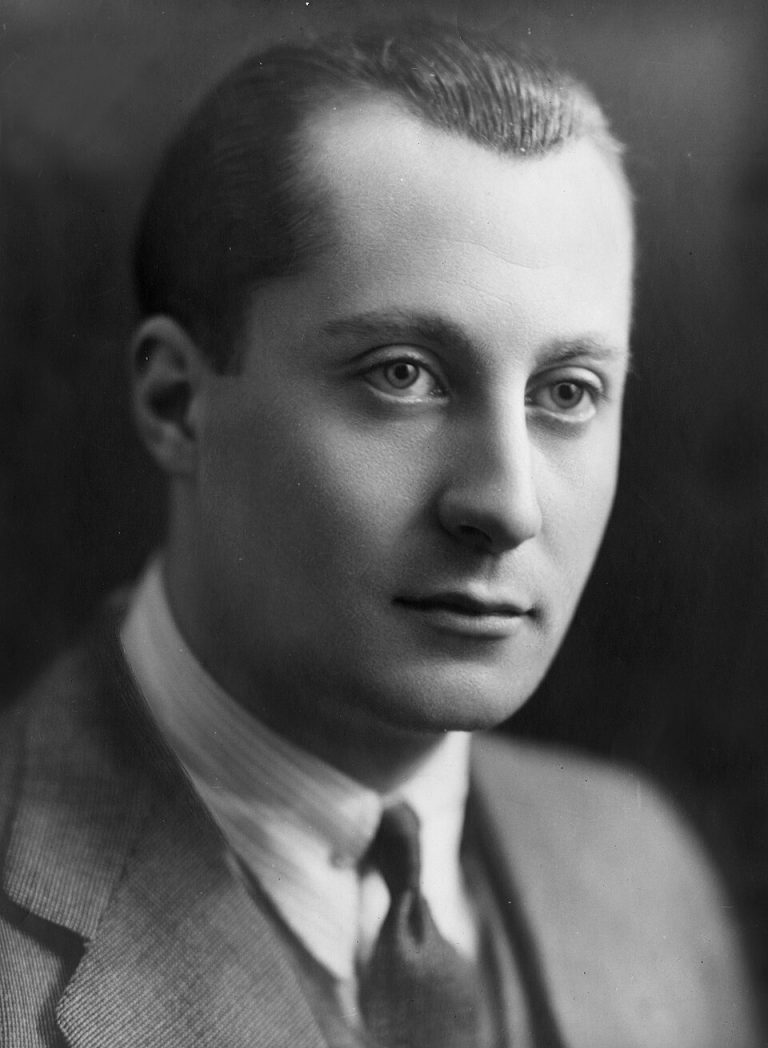
| Born | 24 April 1903, Madrid |
|---|---|
| Died | 20 November 1936, Alicante (executed) |
| Key role | Founder of Falange Española (October 1933) |
| Documents bearing his name | Letters, party documents and signed items; a vast amount of later commemorative material |
| In the collection | See current pieces in the collection |
José Antonio Primo de Rivera, son of the dictator Miguel Primo de Rivera, founded the Falange in 1933. Executed in 1936, he was turned into a “martyr” by Franco’s regime, so most items bearing his name are later commemorative material rather than personal documents.
Who Was José Antonio Primo de Rivera?
José Antonio was born in Madrid in 1903 and launched the Falange Española in October 1933. After losing his Cortes seat in the elections of February 1936 he was arrested; the Popular Front government annulled his later candidacy and dissolved his party. He was in prison when the Civil War broke out, received a summary trial and was executed by Republican authorities in Alicante on 20 November 1936.
What Documents Bear Rivera’s Signature?
Genuine personal letters and signed documents are scarce. Most items with his name are posthumous: portraits, commemorative prints and publications of the Franco era. Heads of state and senior officials did not sign everything issued in their name: printed and stamped facsimiles, secretarial signatures and signatures “by order” are common on routine documents. See original signature or facsimile.
What Should Collectors Watch For?
- Personal documents need strong provenance.
- Commemorative material should be described as such.
- Nothing personal can postdate November 1936.
The Posthumous Cult
Franco’s regime presented him as a martyr and merged the Falange with other groups into the single party of the regime. His articles and speeches shaped its doctrine, and his collected works appeared in 1944.
Collector’s Note
With José Antonio, the posthumous cult produced far more material than his short life. Separating the two is the first task.
Related Entries and Pieces
Pieces in the Collection
Browse current pieces related to José Antonio Primo de Rivera in the Autographs & Militaria collection.
Browse the full Collector’s Encyclopaedia →
Frequently Asked Questions
When did José Antonio found the Falange?
In October 1933.
How did José Antonio die?
He was executed in Alicante on 20 November 1936 after a summary trial.
Are José Antonio signatures common?
No; most items with his name are posthumous commemorative material.
Historical Responsibility Notice: this entry documents historical figures and artefacts for collecting, preservation, education and research. It does not endorse or glorify any ideology.
References & Further Reading
- Encyclopaedia Britannica, José Antonio Primo de Rivera, marqués de Estella.