
The Collector’s Encyclopaedia · Signatories · Government & Party
Gregor Strasser (1892–1934): Signature, Documents and Historical Profile
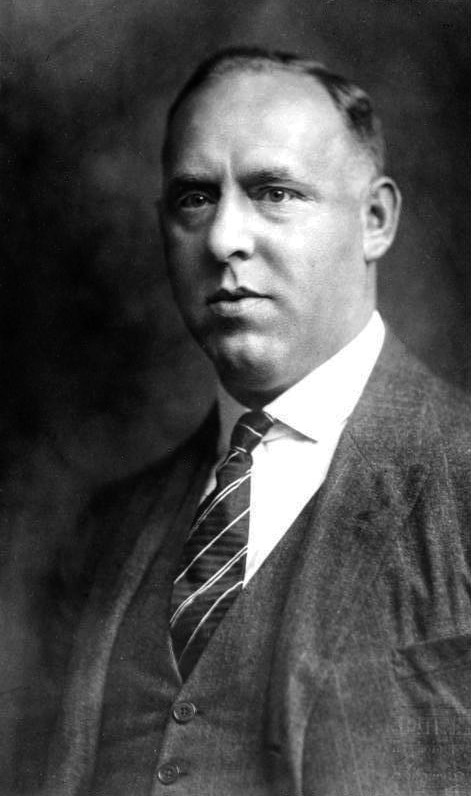
| Born | 31 May 1892, Geisenfeld |
|---|---|
| Died | 30 June 1934, Berlin (murdered) |
| Key office | Reich Organisation Leader of the NSDAP |
| Documents bearing his name | Early party documents and correspondence |
| In the collection | No pieces currently available |
Gregor Strasser built the Nazi Party’s national organisation in the late 1920s and was for a time its second most powerful figure. His break with Hitler in 1932 led to his murder in the purge of 1934.
Who Was Gregor Strasser?
Strasser was born in Geisenfeld in 1892. As Reich Organisation Leader he built the party’s structure. In winter 1932 his attempt to bring the party into government against Hitler’s wishes failed, and he resigned his party offices.
What Documents Bear Strasser’s Signature?
His signature appears on early party documents and correspondence. Nothing can postdate 30 June 1934. See original signature or facsimile.
What Should Collectors Watch For?
- Party documents signed as Organisation Leader date before his resignation.
- Nothing can postdate 30 June 1934.
- Early party documents are rare; check provenance.
Death
Strasser was shot in Berlin on 30 June 1934 during the purge known as the “Night of the Long Knives”.
Collector’s Note
Early party documents show the movement before it became a state. Strasser’s papers belong to that formative period.
Related Entries and Pieces
Browse the full Collector’s Encyclopaedia →
Frequently Asked Questions
What was Strasser’s role?
He was Reich Organisation Leader of the Nazi Party.
How did Strasser die?
He was shot in Berlin on 30 June 1934.
Why did Strasser fall out with Hitler?
Over his attempt in 1932 to bring the party into government on different terms.
Historical Responsibility Notice: this entry documents historical figures and artefacts of the National Socialist period for collecting, preservation, education and research. It does not endorse or glorify any ideology, and it is written in memory of the victims of the regime.
References & Further Reading
- Deutsches Historisches Museum, LeMO – Lebendiges Museum Online, Gregor Strasser 1892–1934 (D. Wosnitzka; last updated 2014).