The Collector’s Encyclopaedia · Signatories · Government & Party
Alfred Rosenberg (1893–1946): Signature, Documents and Historical Profile
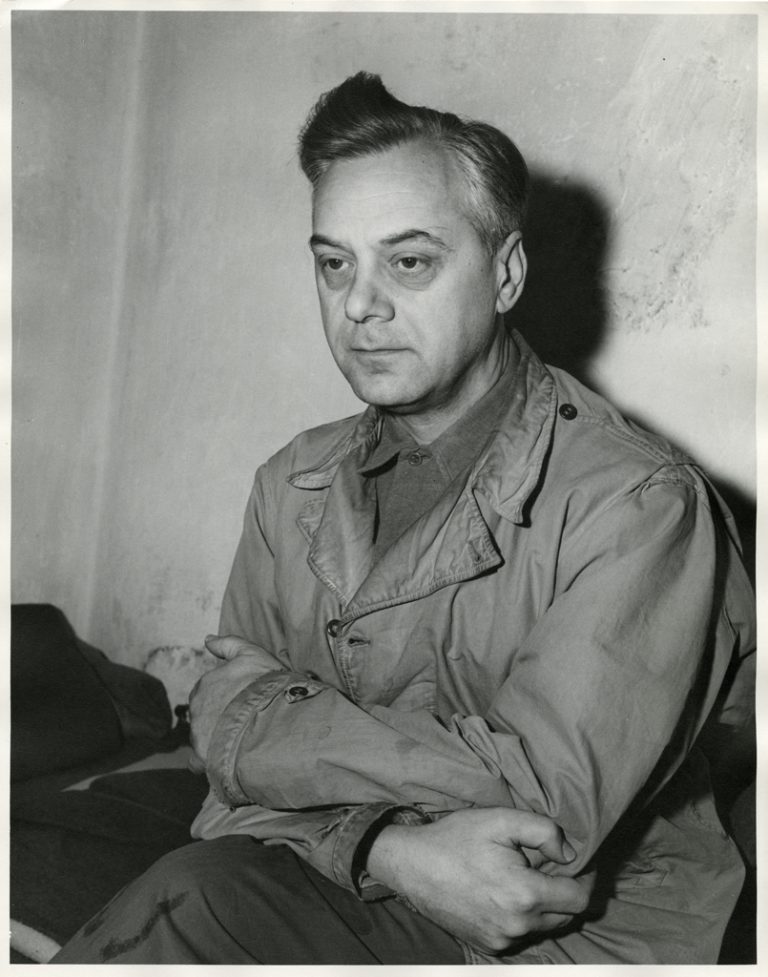
| Born | 12 January 1893, Reval (Tallinn) |
|---|---|
| Died | 16 October 1946, Nuremberg (executed) |
| Key offices | Editor of the Völkischer Beobachter (1923); head of the party’s Foreign Policy Office (1933); Reich Minister for the Occupied Eastern Territories (17 July 1941) |
| Documents bearing his name | Party and ministry papers, Einsatzstab documents, signed books |
| In the collection | No pieces currently available |
Alfred Rosenberg was the party’s self-appointed ideologist, editor of its newspaper and, from 1941, minister for the occupied territories in the East. His task force plundered art and cultural property across Europe, and his name appears on many documents connected with that looting.
Who Was Alfred Rosenberg?
Rosenberg was born in Reval (today Tallinn) in 1893. He became senior editor of the Völkischer Beobachter in 1923, and his book The Myth of the Twentieth Century (1930) made him the party’s leading ideologue. After 1933 he ran the party’s Foreign Policy Office. In October 1940 the Einsatzstab Reichsleiter Rosenberg was founded, the most active Nazi organisation for art plunder. On 17 July 1941 Hitler appointed him Reich Minister for the Occupied Eastern Territories.
What Documents Bear Rosenberg’s Signature?
His signature appears on party, Einsatzstab and ministry correspondence, and in copies of his books. Signed copies of his writings need careful checking. See original signature or facsimile.
What Should Collectors Watch For?
- Ministerial documents date from July 1941.
- Documents connected with looted property may have restitution implications today.
- Check dedications in books against authenticated exemplars.
Responsibility and Fate
The International Military Tribunal found Rosenberg guilty on all four counts and sentenced him to death. He was hanged on 16 October 1946.
Collector’s Note
Documents of the Einsatzstab Rosenberg are also historical evidence for the provenance of looted art. Anyone handling them should be aware of their importance for restitution research.
Related Entries and Pieces
Browse the full Collector’s Encyclopaedia →
Frequently Asked Questions
What was the Einsatzstab Reichsleiter Rosenberg?
A task force founded in October 1940 that looted art and cultural property across occupied Europe.
When did Rosenberg become a Reich minister?
On 17 July 1941, for the Occupied Eastern Territories.
What happened to Rosenberg?
He was sentenced to death at Nuremberg and hanged on 16 October 1946.
Historical Responsibility Notice: this entry documents historical figures and artefacts of the National Socialist period for collecting, preservation, education and research. It does not endorse or glorify any ideology, and it is written in memory of the victims of the regime.
References & Further Reading
- United States Holocaust Memorial Museum, Holocaust Encyclopedia, Alfred Rosenberg: Biography.