The Collector’s Encyclopaedia · Signatories · Government & Party
Fritz Sauckel (1894–1946): Signature, Documents and Historical Profile
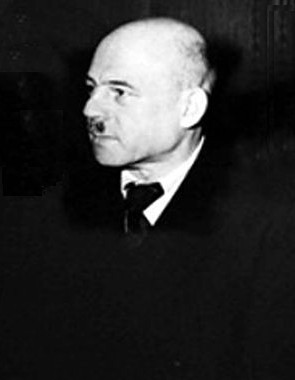
| Born | 27 October 1894, Haßfurt |
|---|---|
| Died | 16 October 1946, Nuremberg (executed) |
| Key offices | Gauleiter of Thuringia (1927); Reich Governor of Thuringia (1933); General Plenipotentiary for Labour Deployment (21 March 1942) |
| Documents bearing his name | Labour deployment orders and correspondence, Thuringian Gau papers |
| In the collection | No pieces currently available |
Fritz Sauckel organised the deportation of millions of people from occupied Europe for forced labour in Germany. Documents of his office are evidence of one of the largest crimes of the war, and documents of forced labourers themselves, such as work cards, are part of the same story.
Who Was Fritz Sauckel?
Sauckel was born in Haßfurt in 1894. Hitler appointed him Gauleiter of Thuringia in 1927, and in May 1933 he became Reich Governor of Thuringia. On 21 March 1942 he became General Plenipotentiary for Labour Deployment, responsible for recruiting and deploying workers for the war economy.
What Documents Bear Sauckel’s Signature?
His signature appears on orders and correspondence of the labour deployment administration and on Thuringian party and state papers. See original signature or facsimile.
What Should Collectors Watch For?
- Labour deployment documents date from March 1942.
- Many orders survive as typed or printed copies.
- Related documents of forced labourers should be described with care for the people they concern.
Responsibility and Fate
Working with occupation authorities, the Wehrmacht and the police, his office deported several million people to Germany for forced labour. The International Military Tribunal sentenced him to death on 1 October 1946, and he was hanged on 16 October 1946.
Collector’s Note
When I hold a work card of a forced labourer, I think of Sauckel’s office behind it. These documents belong together, and describing them together helps tell the full story.
Related Entries and Pieces
Browse the full Collector’s Encyclopaedia →
Frequently Asked Questions
What was Sauckel’s role?
As Plenipotentiary for Labour Deployment from 1942 he organised forced labour across occupied Europe.
What happened to Sauckel?
He was sentenced to death at Nuremberg and hanged on 16 October 1946.
Which documents relate to forced labour?
Work cards, labour books and deployment orders, among others.
Historical Responsibility Notice: this entry documents historical figures and artefacts of the National Socialist period for collecting, preservation, education and research. It does not endorse or glorify any ideology, and it is written in memory of the victims of the regime.
References & Further Reading
- Deutsches Historisches Museum, LeMO – Lebendiges Museum Online, Fritz Sauckel (1894–1946) (A. Mix; last updated 2024).