
The Collector’s Encyclopaedia · Signatories · Soviet leadership
Lazar Kaganovich (1893–1991): Signature, Documents and Historical Profile
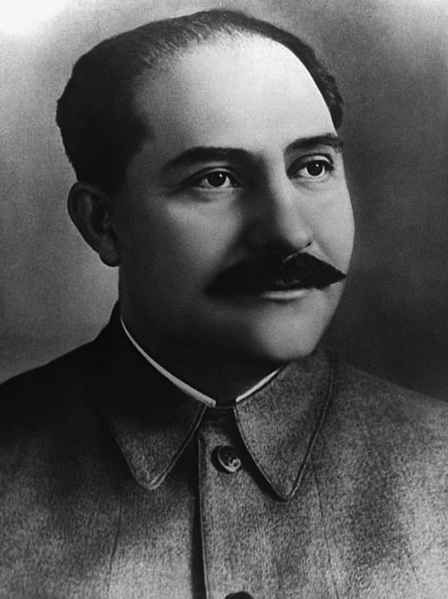
| Born | 22 November 1893 (10 November Old Style), Kabany near Kiev |
|---|---|
| Died | 25 July 1991, Moscow |
| Key offices | Politburo member (by 1930); head of the Moscow party organisation (1930–1935); People’s Commissar of Transport (1935) |
| Documents bearing his name | Party and transport commissariat documents, correspondence |
| In the collection | No pieces currently available |
Lazar Kaganovich was one of Stalin’s most loyal lieutenants, involved in collectivisation, the purges and the building of the Moscow metro. He outlived the Soviet system by only a few months.
Who Was Lazar Kaganovich?
Kaganovich was born near Kiev in 1893. He was a full member of the Politburo by 1930 and headed the Moscow party organisation from 1930 to 1935, when he helped build the Moscow metro. In 1935 he became People’s Commissar of Transport.
What Documents Bear Kaganovich’s Signature?
His signature appears on party and transport commissariat documents and correspondence.
Soviet documents bring their own checks. Signatures are usually in Cyrillic, and official papers combine typed text, printed forms, ink signatures and round seals. A collector should read the Russian text, compare the office named with the date, and remember that Soviet state papers were often reproduced, so many documents carry a printed or stamped signature rather than ink.
What Should Collectors Watch For?
- Read the Cyrillic text and check the office against the date.
- Distinguish ink signatures from printed or stamped ones.
- Soviet-era reproductions and later commemorative items are common.
- Ask for documented provenance on any important piece.
Responsibility and Fate
Kaganovich shared responsibility for the repression and famine of the Stalin era. In June 1957 he joined the failed attempt to depose Khrushchev and lost his posts. He died in Moscow on 25 July 1991.
Collector’s Note
Kaganovich documents show the economic side of Stalin’s state, from railways to the metro. They are a good example of how political and administrative history meet on paper.
Related Entries and Pieces
Browse the full Collector’s Encyclopaedia →
Frequently Asked Questions
What was Kaganovich’s role?
A Politburo member and close associate of Stalin, responsible among other things for transport.
Did Kaganovich oppose Khrushchev?
Yes, in the failed attempt of June 1957.
When did Kaganovich die?
On 25 July 1991.
Historical Responsibility Notice: this entry documents historical figures and artefacts of the Soviet period for collecting, preservation, education and research. It does not endorse or glorify any ideology, and it is written in memory of the victims of political repression and war.
References & Further Reading
- Encyclopaedia Britannica, Lazar Moiseyevich Kaganovich.