
The Collector’s Encyclopaedia · Signatories · SS & Police
Josef Mengele (1911–1979): Documents and Historical Profile
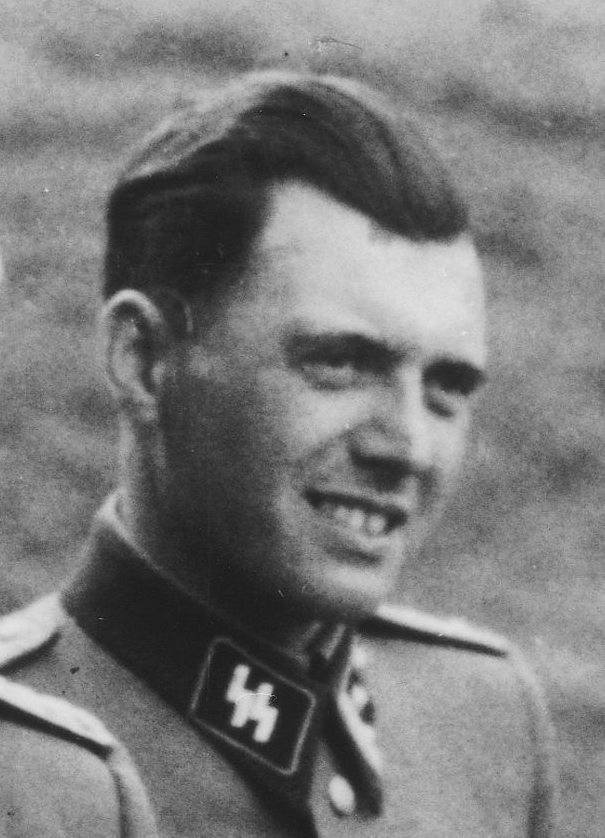
| Born | 16 March 1911, Günzburg |
|---|---|
| Died | 7 February 1979, Bertioga, Brazil (drowned); identity confirmed by DNA in 1992 |
| Key role | SS physician at Auschwitz from 30 May 1943 |
| Documents bearing his name | Camp and SS records; post-war identity documents under false names |
| In the collection | No pieces currently available |
Josef Mengele is one of the most searched-for names of the Holocaust. He is included in this encyclopaedia because collectors and researchers ask about documents connected with him. Items attributed to Mengele are rare, frequently doubtful, and inseparable from the crimes he committed against prisoners at Auschwitz.
Who Was Josef Mengele?
Mengele was born in Günzburg in 1911. He earned a doctorate in anthropology in Munich and a second doctorate in medicine under Otmar von Verschuer, and joined the Nazi Party and the SS in 1938. After service with the Waffen-SS medical service he was assigned to Auschwitz on 30 May 1943. There he took part in the selections of deported Jews on the ramp at Birkenau and carried out pseudo-scientific experiments on prisoners, above all on twins, many of whom were killed.
Where Does Mengele’s Name Appear?
His name appears in camp and SS records and in the post-war investigations that hunted him. Items offered as “signed by Mengele” are rare and call for exceptional caution, rigorous provenance and comparison with authenticated archival exemplars.
Escape and Death
Mengele fled Auschwitz in January 1945. In 1949 he emigrated to Argentina under a false identity, later moved to Paraguay and then to Brazil. He drowned near Bertioga on 7 February 1979 and was buried under a false name. His remains were exhumed in 1985, and DNA analysis confirmed his identity in 1992.
Collector’s Note
I approach any item connected with Mengele with particular care, both as an examiner and as a collector. The burden of proof for authenticity is high, and the description must never lose sight of his victims.
Related Entries and Pieces
Browse the full Collector’s Encyclopaedia →
Frequently Asked Questions
When did Mengele arrive at Auschwitz?
On 30 May 1943.
Was Mengele ever caught?
No. He died in Brazil in 1979; his identity was confirmed by DNA in 1992.
Are Mengele signed documents on the market genuine?
Genuine items are rare. Any attribution needs exceptional scrutiny and documented provenance.
Historical Responsibility Notice: this entry documents historical figures and artefacts of the National Socialist period for collecting, preservation, education and research. It does not endorse or glorify any ideology, and it is written in memory of the victims of the regime.
References & Further Reading
- United States Holocaust Memorial Museum, Holocaust Encyclopedia, Josef Mengele.