
The Collector’s Encyclopaedia · Signatories · Weimar Republic
Friedrich Ebert (1871–1925): Signature, Documents and Historical Profile
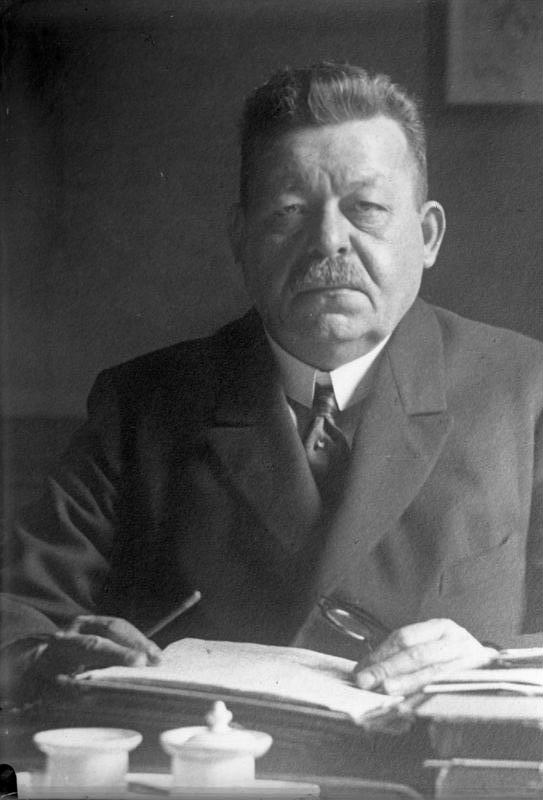
| Born | 4 February 1871, Heidelberg |
|---|---|
| Died | 28 February 1925, Berlin |
| Key offices | SPD co-chairman (from 1913); co-chairman of the Council of People’s Deputies (1918–19); Reich President (from 11 February 1919) |
| Documents bearing his name | Presidential appointments and decrees, letters and signed photographs |
| In the collection | See current pieces in the collection |
Friedrich Ebert, a saddler by trade, became the first democratically elected head of the German state. His signature appears on appointments and decrees of the early Weimar Republic, a fascinating period for document collectors.
Who Was Friedrich Ebert?
Ebert was born in Heidelberg in 1871 and trained as a saddler. In Bremen he ran a tavern and sat on the city council. In 1913 he became one of the two chairmen of the SPD. On 9 November 1918 he took over the affairs of state from Chancellor Prince Max von Baden, and he co-chaired the Council of People’s Deputies. On 11 February 1919 the National Assembly meeting in Weimar elected him Reich President.
What Documents Bear Ebert’s Signature?
His signature appears on presidential appointments, decrees and commissions, usually countersigned by a minister, and on letters and photographs. Heads of state and senior officials did not sign everything issued in their name: printed and stamped facsimiles, secretarial signatures and signatures “by order” are common on routine documents. See original signature or facsimile.
What Should Collectors Watch For?
- Presidential documents date from 1919 to February 1925.
- Countersignatures must fit the government of the day.
- Printed facsimiles exist on routine certificates.
Death and Legacy
Ebert was repeatedly slandered and defended himself in the courts, which led him to postpone surgery. He died on 28 February 1925 of complications of an undiagnosed appendicitis. He was succeeded by Paul von Hindenburg.
Collector’s Note
Ebert’s documents mark the birth of German democracy. I like to set them beside Hindenburg’s, which follow directly.
Related Entries and Pieces
Pieces in the Collection
Browse current pieces related to Friedrich Ebert in the Autographs & Militaria collection.
Browse the full Collector’s Encyclopaedia →
Frequently Asked Questions
When was Ebert elected President?
On 11 February 1919, by the National Assembly in Weimar.
What was Ebert’s trade?
He trained as a saddler.
Who succeeded Ebert?
Paul von Hindenburg, in 1925.
Historical Responsibility Notice: this entry documents historical figures and artefacts for collecting, preservation, education and research. It does not endorse or glorify any ideology.
References & Further Reading
- Stiftung Reichspräsident-Friedrich-Ebert-Gedenkstätte, Friedrich Ebert.
- Scriba, A. (2012) Die Wahl Friedrich Eberts zum Reichspräsidenten, LeMO, Deutsches Historisches Museum.