
The Collector’s Encyclopaedia · Signatories · Monarchy
Victor Emmanuel III (1869–1947): Signature, Documents and Historical Profile
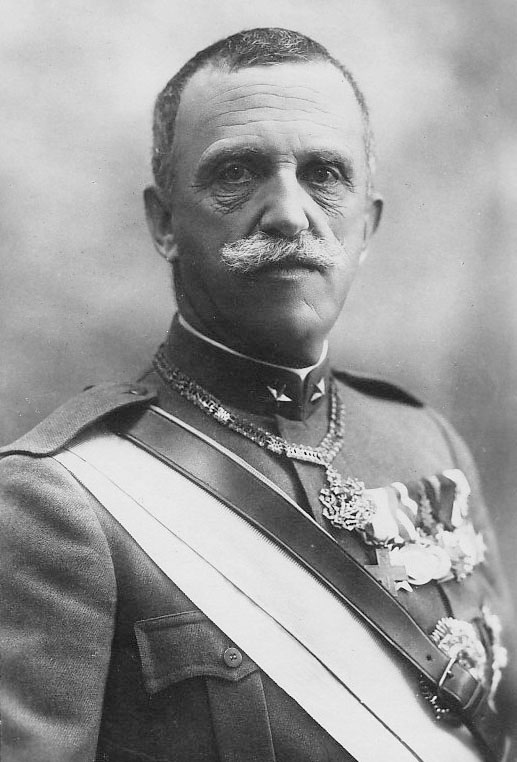
| Born | 11 November 1869, Naples |
|---|---|
| Died | 28 December 1947, Alexandria, Egypt |
| Reign | 1900–1946 (power passed to his son Umberto as lieutenant-general of the realm in June 1944) |
| Documents bearing his name | Royal decrees, appointments, commissions and award documents, usually countersigned by Mussolini or another minister |
| In the collection | See current pieces in the collection |
Victor Emmanuel III reigned over Italy for 46 years, through the First World War, the whole Fascist period and the fall of the regime. His signature appears on countless royal decrees and appointments, often beside Mussolini’s, which makes these documents a favourite with collectors of Italian history.
Who Was Victor Emmanuel III?
Victor Emmanuel was born in Naples in 1869 and came suddenly to the throne in 1900, after his father Umberto I was assassinated. According to Britannica, he failed to prevent Mussolini’s seizure of power in 1922, although he could have done so by signing a martial law decree, and under the dictatorship he was reduced to a figurehead. In July 1943, after military reverses and the Allied invasion of Sicily, he had Mussolini arrested and installed Marshal Pietro Badoglio as prime minister.
What Documents Bear III’s Signature?
Royal decrees, appointments to office, commissions and award certificates were issued in the King’s name and carry his signature, usually with the countersignature of the responsible minister. Many documents of the 1920s and 1930s therefore carry both his signature and Mussolini’s. Heads of state and senior officials did not sign everything issued in their name: printed and stamped facsimiles, secretarial signatures and signatures “by order” are common on routine documents. See original signature or facsimile.
What Should Collectors Watch For?
- Titles on the document help date it: from 1936 the King also used the title Emperor of Ethiopia, and from 1939 King of Albania.
- Countersignatures must match a minister in office on the document’s date.
- Printed signatures appear on many routine certificates; check the ink under magnification.
The End of the Monarchy
On 5 June 1944 he named his son Umberto lieutenant-general of the realm, giving up power while keeping the title of king. He abdicated on 9 May 1946 in an attempt to influence the referendum on the monarchy. The republic won, and he died in exile in Egypt in 1947.
Collector’s Note
Documents signed by both Victor Emmanuel III and Mussolini are among my favourite pieces of Italian history: two signatures, two sources of power, on one sheet. I always check that each signature is genuinely in ink.
Related Entries and Pieces
Pieces in the Collection
Browse current pieces related to Victor Emmanuel III in the Autographs & Militaria collection.
Browse the full Collector’s Encyclopaedia →
Frequently Asked Questions
When did Victor Emmanuel III become king?
In 1900, after the assassination of his father Umberto I.
Why do many royal decrees carry Mussolini’s signature as well?
Royal acts were countersigned by the responsible minister, and Mussolini held several ministries.
When did Victor Emmanuel III abdicate?
On 9 May 1946.
Historical Responsibility Notice: this entry documents historical figures and artefacts for collecting, preservation, education and research. It does not endorse or glorify any ideology.
References & Further Reading
- Encyclopaedia Britannica, Victor Emmanuel III.