The Collector’s Encyclopaedia · Signatories · Soviet leadership
Joseph Stalin (1878–1953): Signature, Documents and Historical Profile
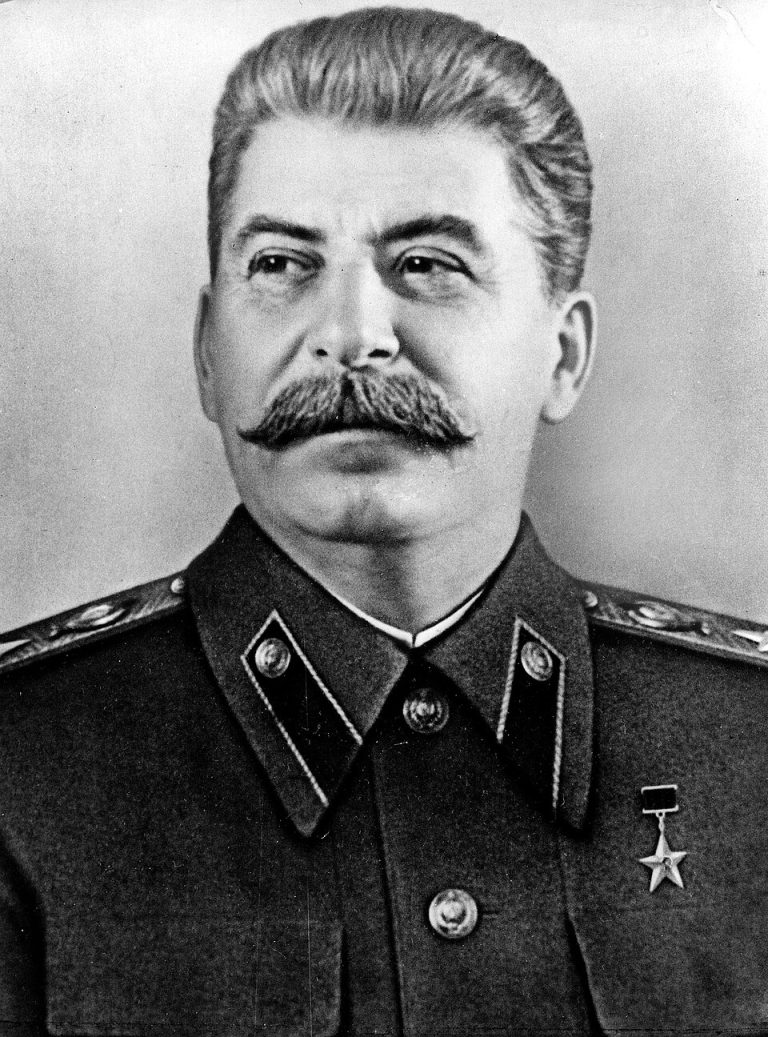
| Born | 18 December 1878 (6 December Old Style), Gori, Georgia |
|---|---|
| Died | 5 March 1953, Moscow |
| Key offices | General Secretary of the Communist Party (1922–1953); head of the Soviet government (1941–1953) |
| Documents bearing his name | Party and state decrees, resolutions, orders, correspondence; many printed reproductions |
| In the collection | No pieces currently available |
Joseph Stalin ruled the Soviet Union for three decades. Under his leadership millions of people were executed, imprisoned or died in the Gulag and in famines, and the Soviet Union bore the heaviest burden of the war against Nazi Germany. Genuine Stalin signatures are among the rarest and most valuable of the twentieth century, and fragments, cut signatures and reproductions are common.
Who Was Joseph Stalin?
Stalin, born Ioseb Dzhugashvili in Gori in 1878, became General Secretary of the Communist Party in 1922 and, after Lenin’s death, eliminated his rivals. From 1941 he also headed the Soviet government and led the country through the war. He died in Moscow on 5 March 1953.
What Documents Bear Stalin’s Signature?
His signature appears on party and state decrees, resolutions and orders, often in red or blue pencil, and on correspondence. Many items on the market are fragments of documents or printed reproductions; Soviet publications reproduced his signature widely.
Soviet documents bring their own checks. Signatures are usually in Cyrillic, and official papers combine typed text, printed forms, ink signatures and round seals. A collector should read the Russian text, compare the office named with the date, and remember that Soviet state papers were often reproduced, so many documents carry a printed or stamped signature rather than ink.
What Should Collectors Watch For?
- Read the Cyrillic text and check the office against the date.
- Distinguish ink signatures from printed or stamped ones.
- Soviet-era reproductions and later commemorative items are common.
- Ask for documented provenance on any important piece.
Responsibility and Fate
Stalin’s rule was marked by mass repression, the Great Terror of the late 1930s, deportations and forced collectivisation. His signature appears on documents that sent people to their deaths, and every Stalin document should be described with that history in mind.
Collector’s Note
With Stalin, the writing instrument matters. Many of his genuine annotations and signatures are in coloured pencil, and I look closely at the stroke and pressure, which a printed reproduction cannot imitate.
Related Entries and Pieces
Browse the full Collector’s Encyclopaedia →
Frequently Asked Questions
Is a Stalin signature on a document fragment genuine?
Some are, but fragments are also a common way of presenting reproductions or forgeries. Expert examination is essential.
When was Stalin General Secretary?
From 1922 until his death in 1953.
What did Stalin sign with?
Often pencil, frequently coloured, as well as ink.
Historical Responsibility Notice: this entry documents historical figures and artefacts of the Soviet period for collecting, preservation, education and research. It does not endorse or glorify any ideology, and it is written in memory of the victims of political repression and war.
References & Further Reading
- Encyclopaedia Britannica, Joseph Stalin.