
The Collector’s Encyclopaedia · Signatories · SS & Police
Rudolf Höss (1900–1947): Signature, Documents and Historical Profile
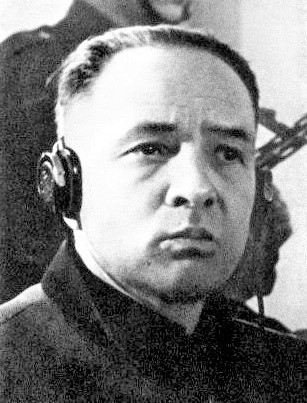
| Born | 1900, Baden-Baden |
|---|---|
| Died | April 1947, Auschwitz (executed) |
| Key office | Commandant of Auschwitz (from 1940) |
| Documents bearing his name | Camp administration documents; trial records |
| In the collection | No pieces currently available |
Rudolf Höss built and ran Auschwitz, where more than a million people were murdered, most of them Jews. Documents bearing his name are records of the largest killing site of the Holocaust and belong above all to archives and memorials.
Who Was Rudolf Höss?
Höss was born in Baden-Baden in 1900. After service in the First World War and a prison sentence in the 1920s, he joined the SS and worked at Dachau from 1934. In 1940 he took command of Auschwitz, where he developed the methods of mass murder by gas and cremation.
What Documents Bear Höss’s Signature?
His name appears on camp administration documents and in the records of his trial. Items attributed to him need exceptional scrutiny and provenance. See concentration camp correspondence.
What Should Collectors Watch For?
- Camp documents must be described with full context.
- Any attribution needs exceptional provenance.
- Such material is often more appropriately placed with memorial institutions.
Responsibility and Fate
In 1947 the Supreme National Tribunal in Warsaw sentenced Höss to death. He was hanged at Auschwitz in April 1947.
Collector’s Note
I include Höss in this encyclopaedia because his name appears in documents that collectors and researchers encounter. Any such document is evidence of genocide, and I believe its proper place is often a memorial archive.
Related Entries and Pieces
Browse the full Collector’s Encyclopaedia →
Frequently Asked Questions
When did Höss take command of Auschwitz?
In 1940.
What happened to Höss?
He was sentenced to death in Warsaw and hanged at Auschwitz in April 1947.
Should Höss documents be in private hands?
They are evidence of genocide; many collectors and dealers consider memorial archives their proper place.
Historical Responsibility Notice: this entry documents historical figures and artefacts of the National Socialist period for collecting, preservation, education and research. It does not endorse or glorify any ideology, and it is written in memory of the victims of the regime.
References & Further Reading
- Encyclopaedia Britannica, Rudolf Franz Höss.