The Collector’s Encyclopaedia · Signatories · Wehrmacht
Erwin Rommel (1891–1944): Signature, Documents and Historical Profile
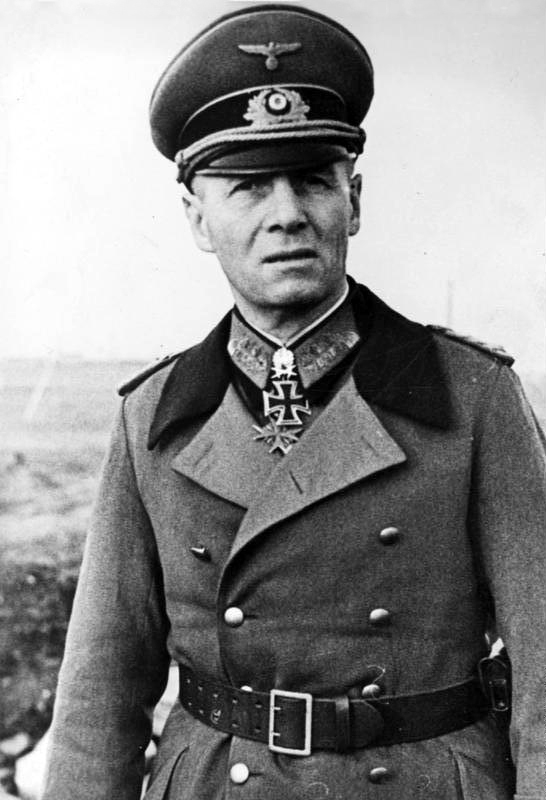
| Born | 15 January 1891, Heidenheim an der Brenz |
|---|---|
| Died | 14 October 1944, near Herrlingen (forced suicide) |
| Key commands | Hitler’s escort command (1938); 7th Panzer Division (February 1940); Afrikakorps (February 1941); Army Group B (1 December 1943) |
| Documents bearing his name | Military correspondence and orders, award and promotion papers, signed photographs |
| In the collection | 1 piece currently available (see below) |
Erwin Rommel is the most famous German general of the Second World War and one of the most sought-after military signatures. That popularity has a cost: Rommel material is heavily forged, and the legend of the “Desert Fox” often overshadows the historical record. This entry focuses on what can be verified.
Who Was Erwin Rommel?
Rommel was born in Heidenheim in 1891 and received the Pour le Mérite in October 1917 for the capture of Monte Matajur on the Isonzo front. In autumn 1938 he commanded Hitler’s escort command. He took over the 7th Panzer Division in February 1940 and the Afrikakorps in February 1941. After the capture of Tobruk in June 1942 he was promoted to Generalfeldmarschall. On 1 December 1943 he took command of Army Group B in the West.
What Documents Bear Rommel’s Signature?
Genuine signatures appear on military correspondence, orders, award and promotion papers and on photographs he signed for soldiers and admirers. His rank must match the date: he was a Generalfeldmarschall only from June 1942. Many items, especially signed photographs, are later fakes. See original signature or facsimile.
What Should Collectors Watch For?
- Rank and command must agree with the date.
- Signed photographs are the most frequently faked Rommel items.
- Ask for documented provenance and an independent opinion on any important piece.
Wounding and Death
Rommel was badly wounded in an air attack on 17 July 1944. Suspected of links to the conspirators of 20 July 1944, he was forced to take poison near Herrlingen on 14 October 1944. The regime announced that he had died of his wounds and gave him a state funeral.
Collector’s Note
With Rommel I am always conscious of the weight of the legend. The more romantic the story attached to a piece, the more carefully I check the facts it depends on: the rank, the unit, the date and the materials.
Related Entries and Pieces
Pieces in the Collection
Browse the full Collector’s Encyclopaedia →
Frequently Asked Questions
When did Rommel become a field marshal?
After the capture of Tobruk in June 1942.
How did Rommel die?
He was forced to take poison near Herrlingen on 14 October 1944.
Are Rommel signed photographs common?
They appear often, but many are forgeries. Expert examination is essential.
Historical Responsibility Notice: this entry documents historical figures and artefacts of the National Socialist period for collecting, preservation, education and research. It does not endorse or glorify any ideology, and it is written in memory of the victims of the regime.
References & Further Reading
- Neitzel, S. (2005) ‘Rommel, Erwin’, Neue Deutsche Biographie, 22, pp. 23–24.