
The Collector’s Encyclopaedia · Signatories · SS & Police
Amon Göth (1908–1946): Signature, Documents and Historical Profile
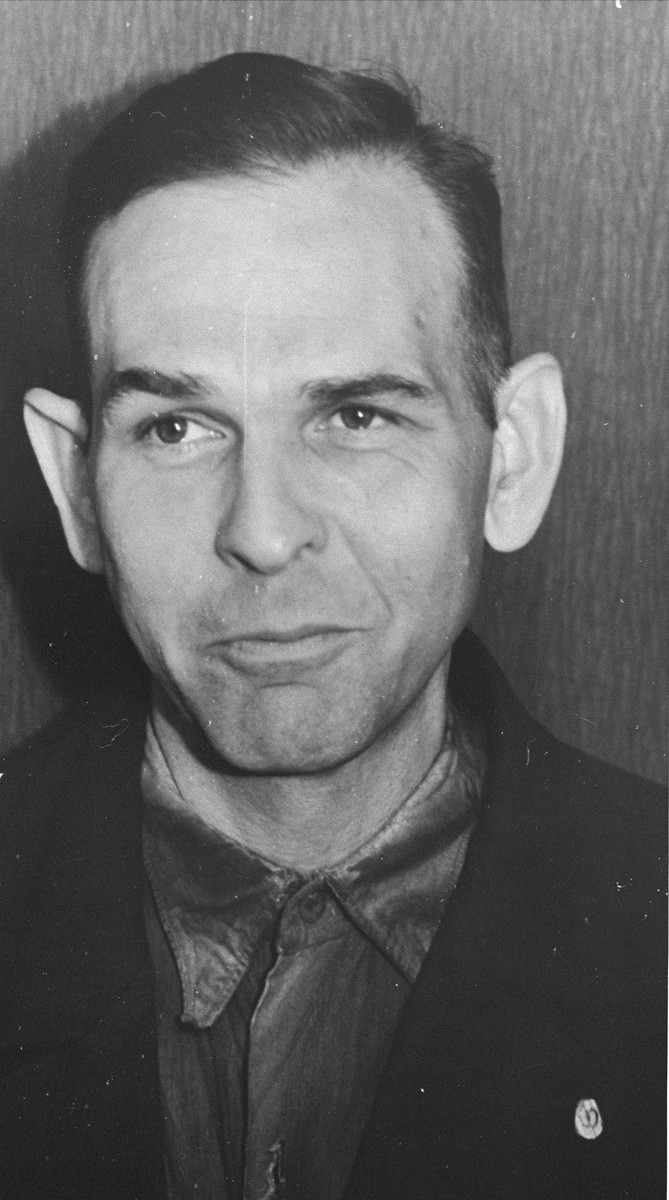
| Born | 11 December 1908, Vienna |
|---|---|
| Died | 13 September 1946, Kraków (executed) |
| Key office | Commandant of the Płaszów camp |
| Documents bearing his name | Camp documents; trial records |
| In the collection | No pieces currently available |
Amon Göth commanded the Płaszów camp in Kraków, where he murdered prisoners personally. He became widely known through the film Schindler’s List. Items connected with him are evidence of crimes and belong above all in archives.
Who Was Amon Göth?
Göth was born in Vienna in 1908 and served as commandant of the Płaszów camp in occupied Kraków.
What Documents Bear Göth’s Signature?
His name appears on camp documents and in the records of his trial. Any item attributed to him requires exceptional scrutiny. See concentration camp correspondence.
What Should Collectors Watch For?
- Camp documents must be described with full context.
- Any attribution needs exceptional provenance.
- Film fame has encouraged doubtful items.
Responsibility and Fate
Göth was tried in Poland after the war and hanged in Kraków on 13 September 1946.
Collector’s Note
Film fame has created a market for Göth items that history alone would never justify. I approach such pieces with particular caution.
Related Entries and Pieces
Browse the full Collector’s Encyclopaedia →
Frequently Asked Questions
Who was Amon Göth?
The commandant of the Płaszów camp in Kraków.
What happened to Göth?
He was tried in Poland and hanged on 13 September 1946.
Is Göth connected with Schindler?
Yes; Schindler’s workers came from Płaszów, as shown in Schindler’s List.
Historical Responsibility Notice: this entry documents historical figures and artefacts of the National Socialist period for collecting, preservation, education and research. It does not endorse or glorify any ideology, and it is written in memory of the victims of the regime.
References & Further Reading
- Encyclopaedia Britannica, Amon Göth.