The Collector’s Encyclopaedia · Signatories · Government & Party
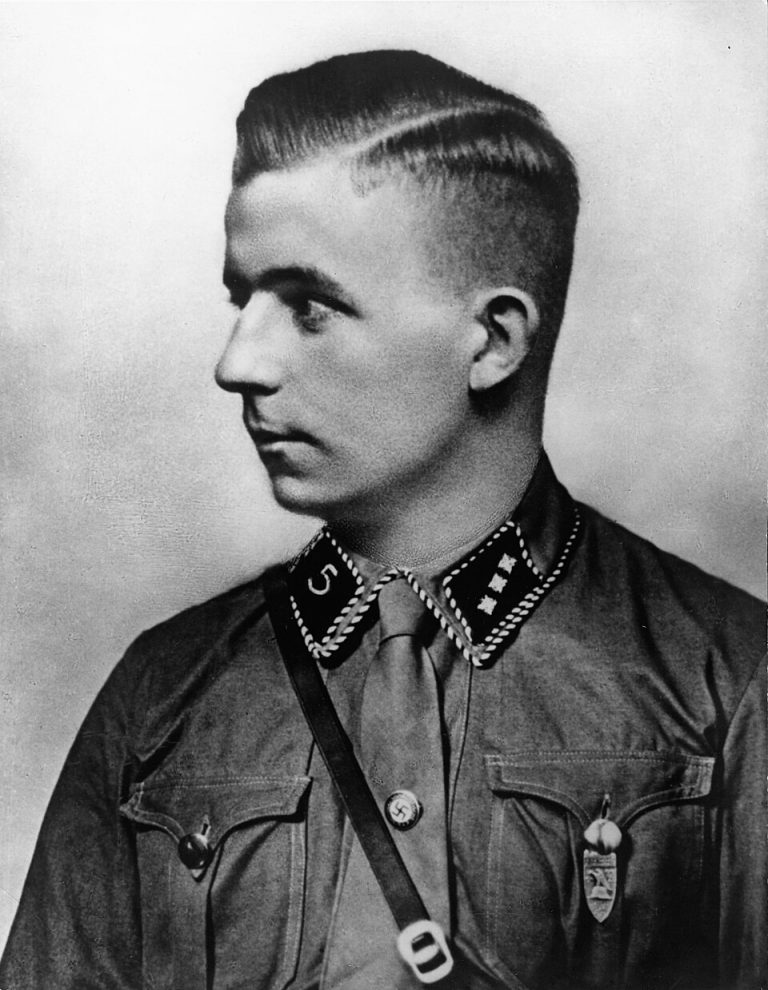
Horst Wessel (1907–1930): Signature, Documents and Historical Profile
| Born | 9 October 1907, Bielefeld |
|---|---|
| Died | 23 February 1930, Berlin |
| Role | SA leader in Berlin-Friedrichshain; author of the poem that became the Horst Wessel song |
| Documents bearing his name | Very rare personal items; vast quantities of later propaganda material |
| In the collection | No pieces currently available |
Horst Wessel was a young SA leader in Berlin whose death in 1930 Goebbels turned into a propaganda cult. His name is found on a great deal of later Nazi material, while genuine personal items are rare.
Who Was Horst Wessel?
Wessel was born in Bielefeld in 1907, the son of a Protestant pastor. In 1929 he organised the SA in Berlin’s Friedrichshain district, and the party newspaper published a poem by him that became the Horst Wessel song. He was shot on 14 January 1930 by a member of the Communist Red Front Fighters’ League in circumstances that remain unclear, and died on 23 February 1930.
What Documents Bear Wessel’s Signature?
Genuine personal documents of Wessel are rare. Most items bearing his name are later propaganda: song sheets, postcards and commemorative objects. Display of such material is restricted in several countries. See propaganda.
What Should Collectors Watch For?
- Most items are later propaganda, not personal documents.
- The Horst Wessel song is banned in Germany and Austria.
- Check the law before buying or selling.
Propaganda Cult
Goebbels made Wessel a “martyr of the movement”, and the song became a second national anthem under the regime.
Collector’s Note
Wessel material is above all evidence of how propaganda manufactured a cult. That is how I describe it.
Related Entries and Pieces
Browse the full Collector’s Encyclopaedia →
Frequently Asked Questions
Who was Horst Wessel?
An SA leader in Berlin whose death in 1930 was turned into a propaganda cult.
Is the Horst Wessel song legal?
It is banned in Germany and Austria.
Are Horst Wessel documents common?
Genuine personal items are rare; propaganda items are common.
Historical Responsibility Notice: this entry documents historical figures and artefacts of the National Socialist period for collecting, preservation, education and research. It does not endorse or glorify any ideology, and it is written in memory of the victims of the regime.
References & Further Reading
- Deutsches Historisches Museum, LeMO – Lebendiges Museum Online, Horst Wessel 1907–1930 (S. Weinert; last updated 2014).