Products on sale
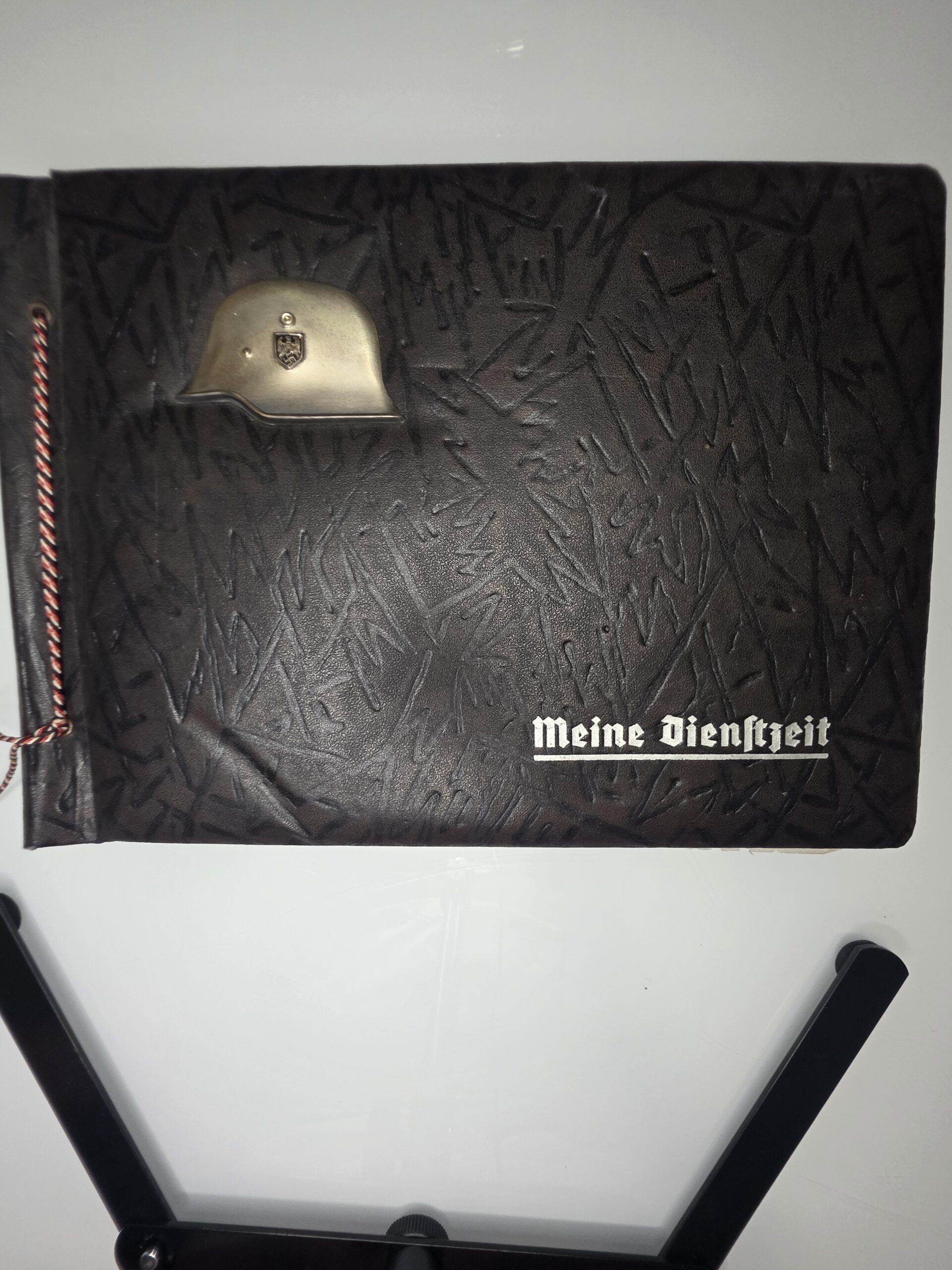
Original WWII German Photo Album “Meine Dienstzeit”
Original price was: 400,00 €.249,00 €Current price is: 249,00 €.
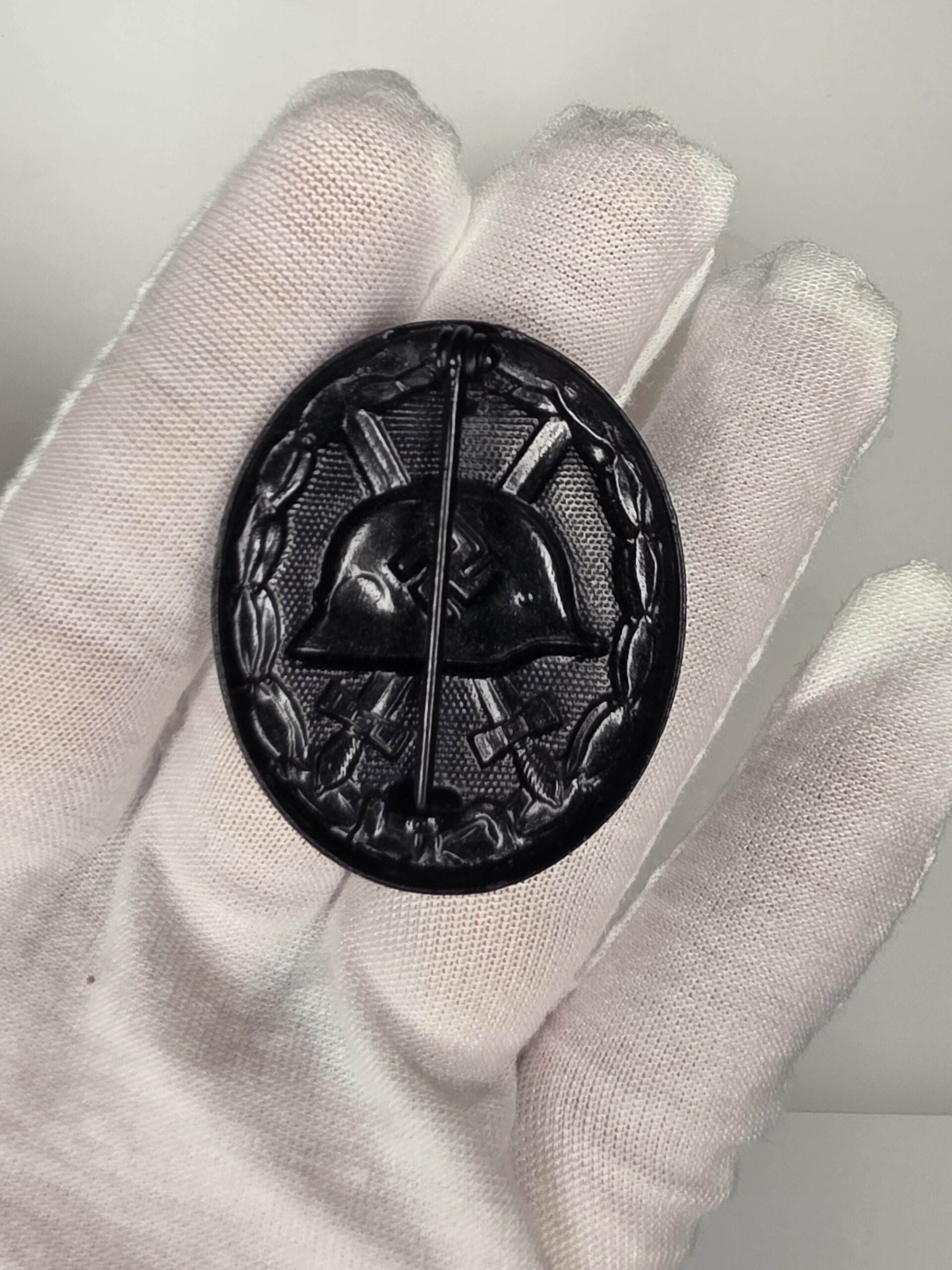
Wound Badge 1939 Reproduction – Black WWII German Badge
59,00 €
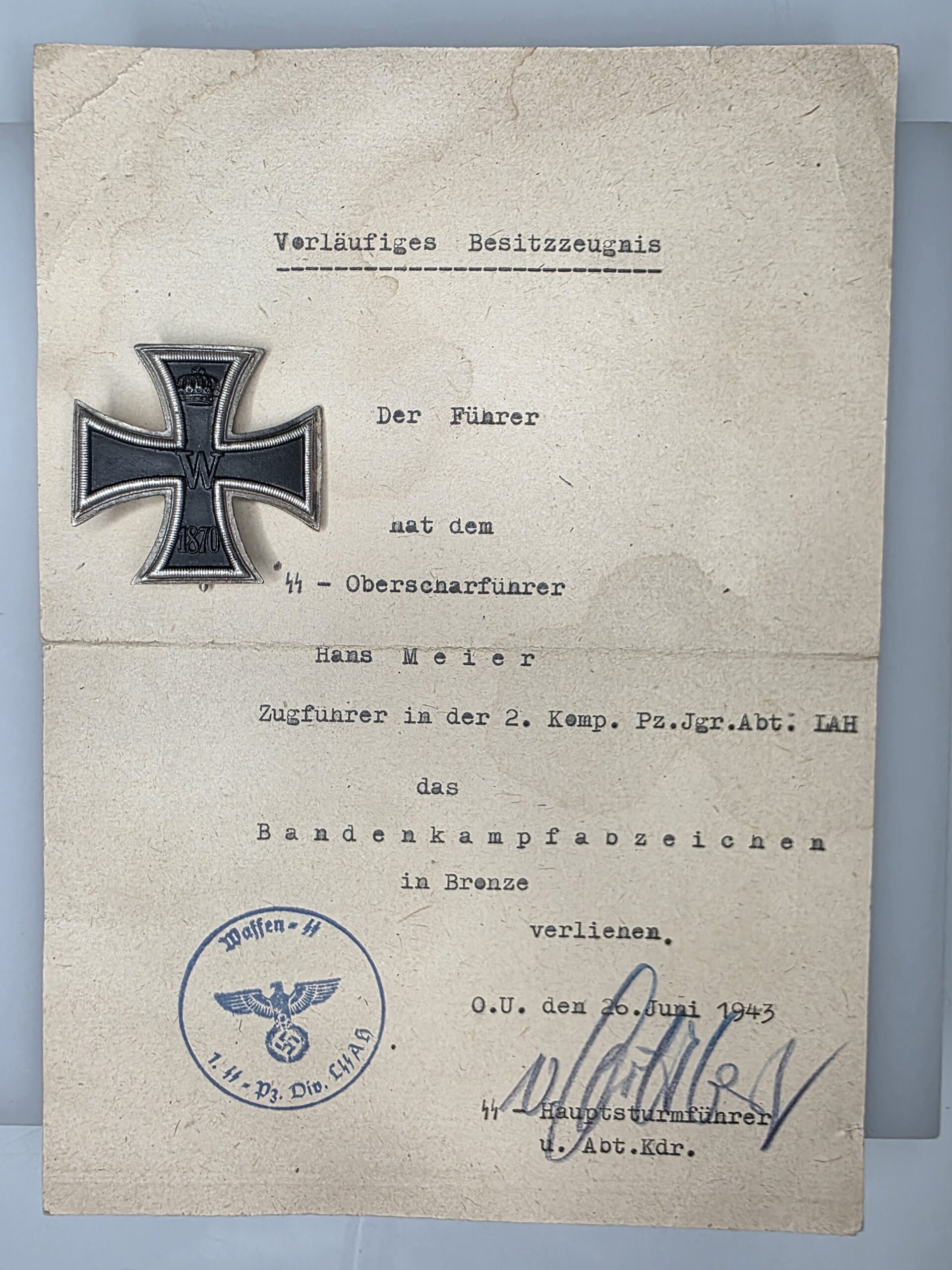
1870 Iron Cross 1st Class Reproduction – Unusual 2-Piece Collector Study Lot
99,00 €
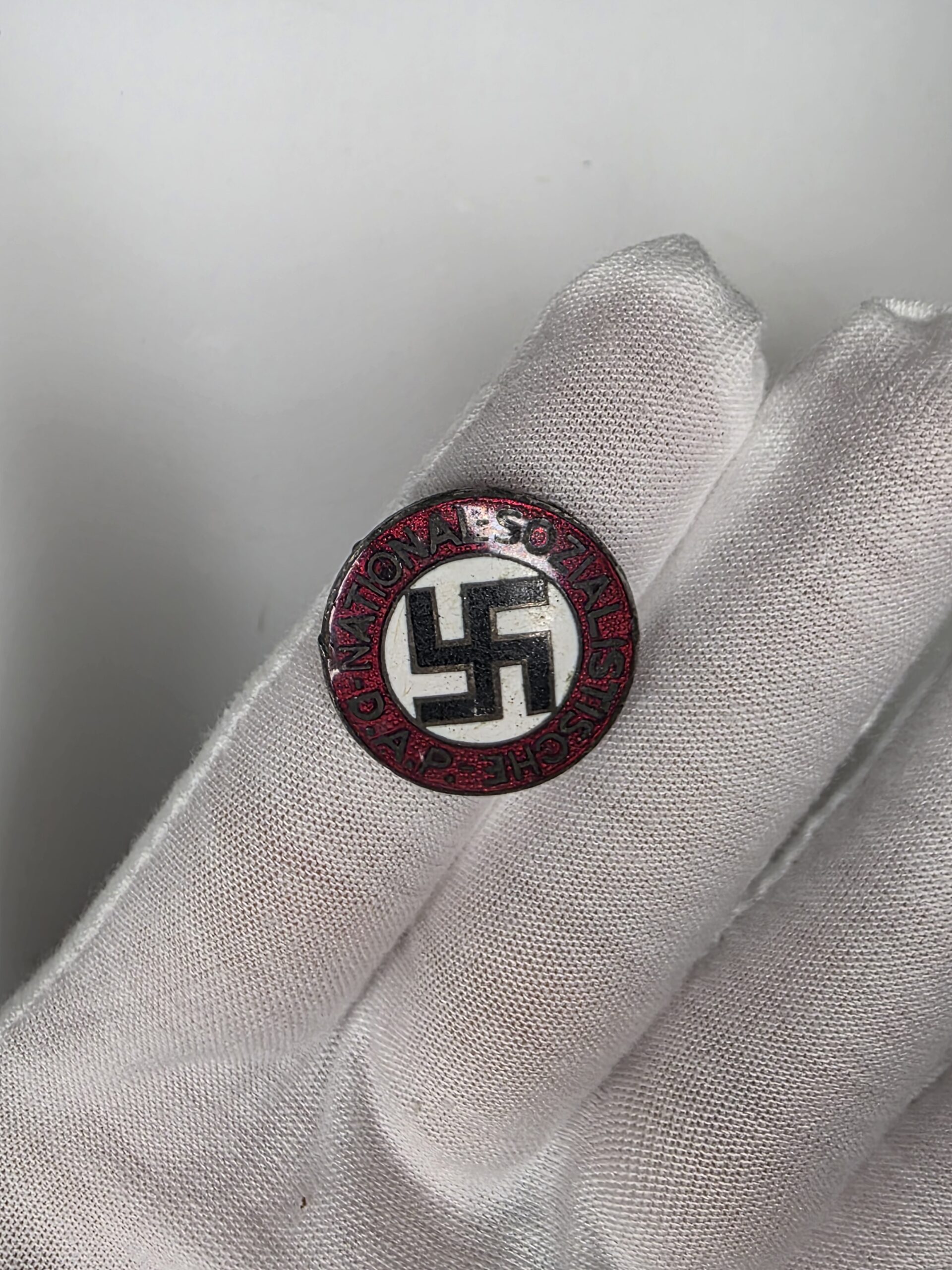
NSDAP Party Badge RZM No. 34 – Rare Original Karl Wurster Enamel Badge
149,00 €

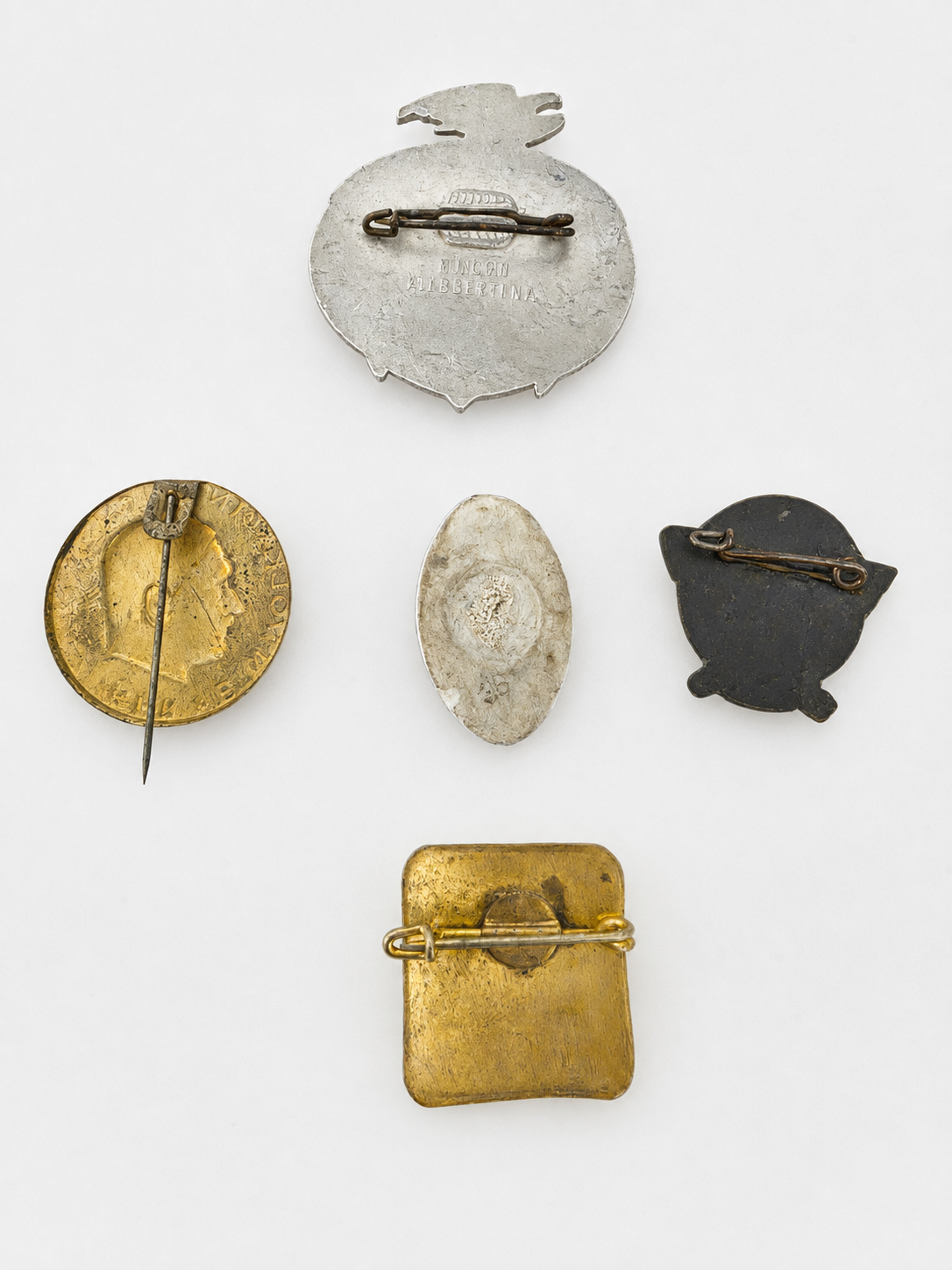
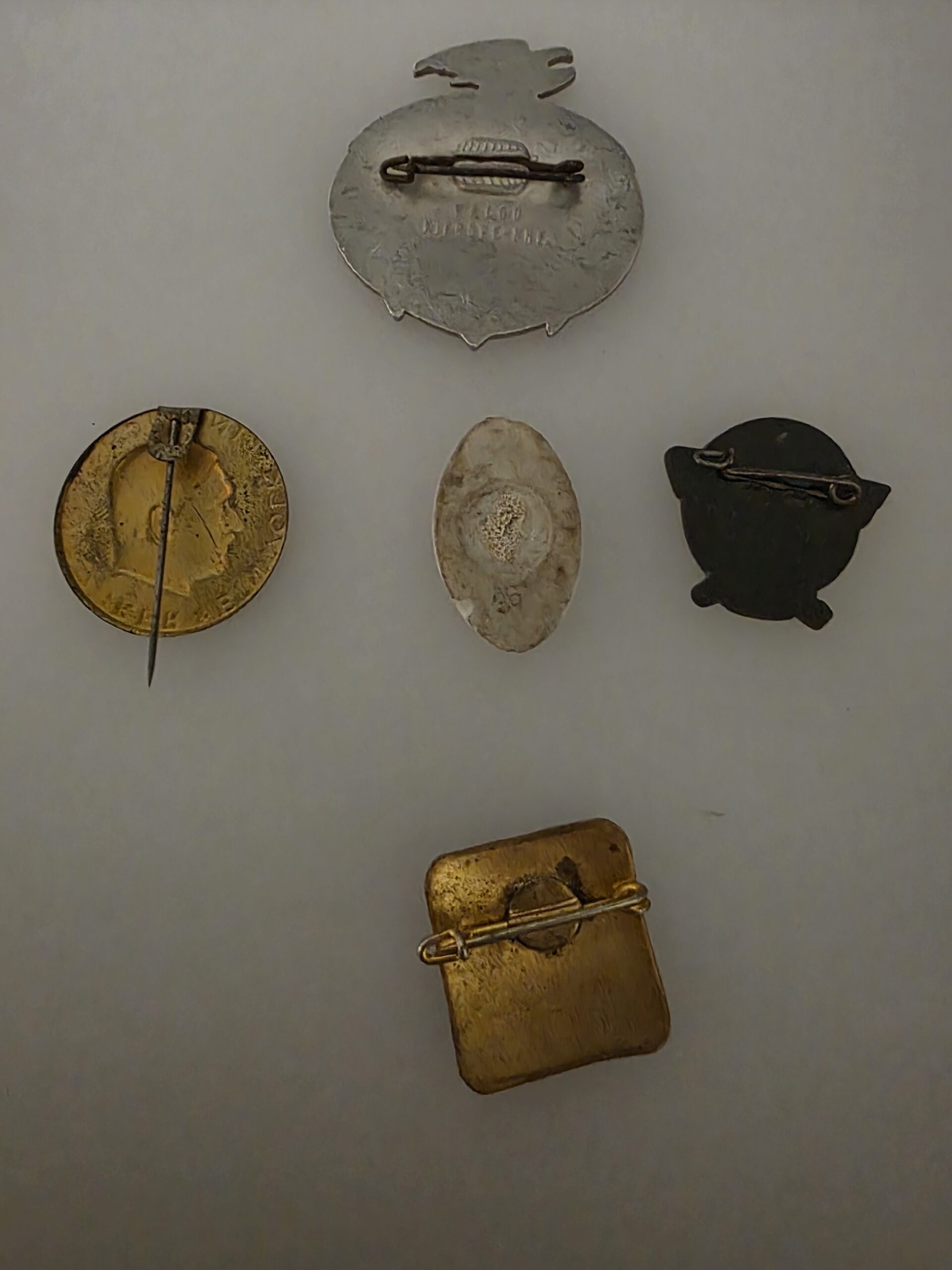
German 1930s Badge Lot – HJ, Seefahrt & Frauenhilfe Pins
99,00 €
Interested in this item? Please contact us directly by email, WhatsApp or through the enquiry form below for availability or other information. Kindly include the item SKU/reference number in your message so we can identify the piece.
Description
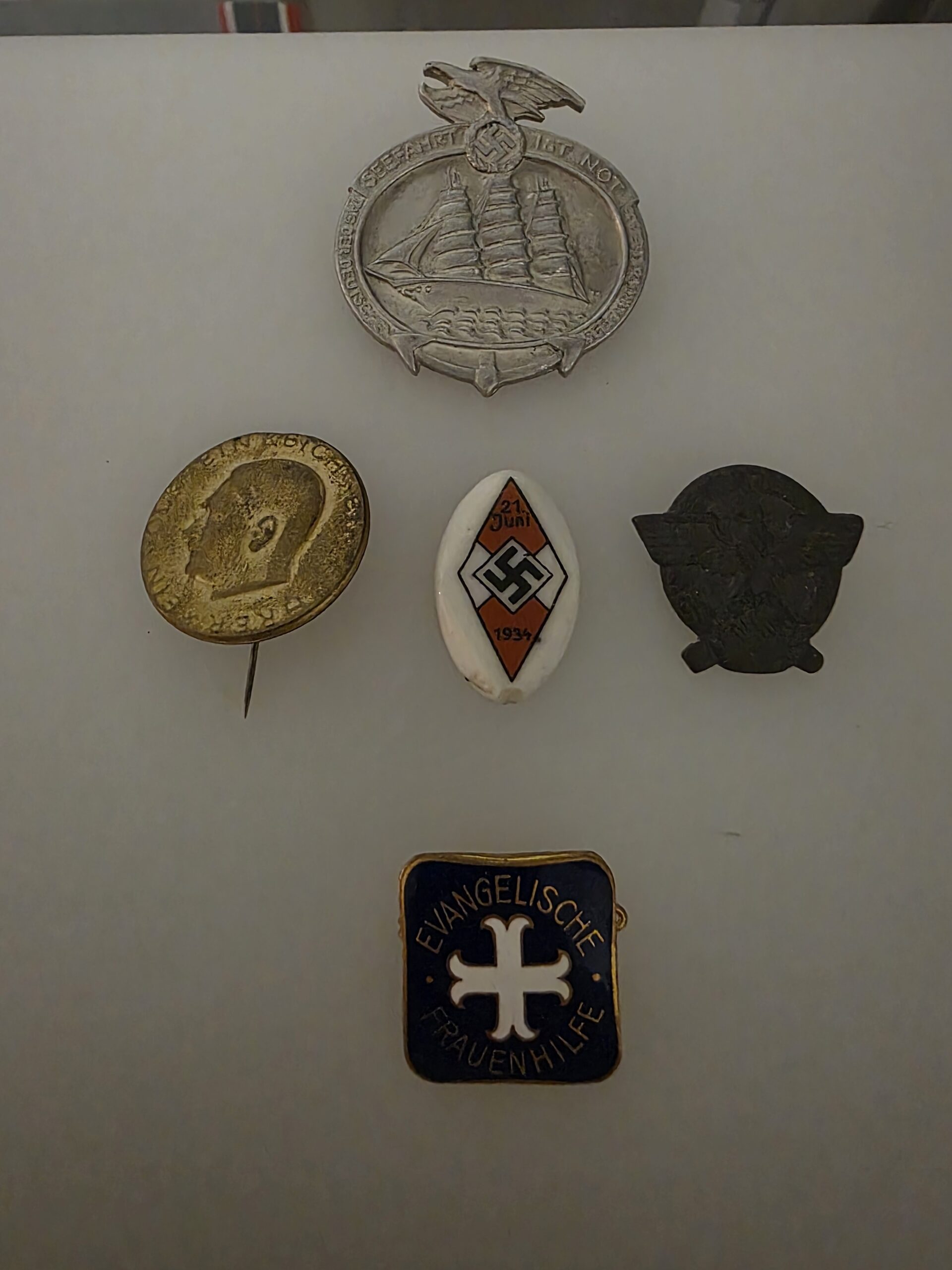
This German 1930s badge lot brings together five different German pins and commemorative badges, several of which can be associated with specific organisations and events of the mid-1930s. The group includes a maritime Tag der Deutschen Seefahrt badge, a distinctive porcelain HJ badge dated 21 Juni 1934, an enamelled Evangelische Frauenhilfe badge, a gold-tone portrait pin and a further dark metal organisation badge whose exact attribution has not been confirmed from the available photographs.
From a collector’s point of view, the interest of this group lies in its variety. Rather than five repetitions of the same type of insignia, it combines metal event badges, enamel work, porcelain and different fastening systems. The photographs show both the fronts and reverses, allowing the construction, pins, surface wear and surviving finishes to be assessed.
German 1930s Badge Lot – Identified Pieces
The largest silver-coloured maritime piece appears consistent with the “Seefahrt ist Not – Tag der Deutschen Seefahrt 25.–26.5.1935” commemorative badge.
Known examples show a three-masted sailing vessel at the centre, an eagle and swastika above, an anchor element below and the inscriptions Seefahrt ist Not and Tag der Deutschen Seefahrt. The National Maritime Museum at Royal Museums Greenwich records such an example as a German Merchant Navy-related badge produced in 1935.
These small event badges are generally described by English-speaking militaria collectors as tinnies. They were not military decorations awarded for combat or service, but commemorative or event badges associated with public organisations, rallies and national events.
The second particularly recognisable piece is the small white porcelain badge displaying the HJ diamond and the date 21 Juni 1934.
Contemporary reporting from May 1934 described a badge manufactured by the Thüringen porcelain industry for the Deutsches Jugendfest, with the HJ emblem used as its design. Specialist examples identify surviving pieces dated 21 June 1934 as porcelain participation badges connected with the Jugendfest, solstice celebrations and Reich sports competition activities.
The use of porcelain rather than ordinary stamped metal gives this badge a quite different character from the numerous aluminium and zinc event badges produced during the same period.
Evangelische Frauenhilfe Badge
The blue enamel square badge reads “Evangelische Frauenhilfe” and displays a white Christian cross.
The Evangelische Frauenhilfe was a Protestant women’s organisation founded in Germany in 1899 under the patronage of Empress Auguste Viktoria. Its activities historically included church, charitable and social work. Archival information records that the organisation was renamed Reichsfrauenhilfe in 1933, although different organisational forms and insignia continued through this complicated period of German church history.
Comparable enamel membership badges remain relatively accessible to organisation-badge collectors, which is useful when assessing the lot as a whole rather than attributing an unrealistic premium to every individual item.
The Remaining Two Pins
Two further pieces are included.
One is a gold-tone circular portrait pin with a long vertical needle. The portrait and surrounding inscription are visible but not sufficiently clear in the supplied photographs for me to make a reliable attribution.
The second is a dark metal badge with projecting lateral elements and a central relief design. Again, the photographs establish its physical presence and construction, but they do not provide enough legible detail for a confident organisation or event attribution.
For that reason, neither piece is being assigned to a specific person, organisation or event in this description. This is preferable to attaching an attractive but unsupported identification that could later prove incorrect.
Historical Context
The dated pieces place much of the German 1930s badge lot in the first half of the National Socialist period.
The maritime badge belongs to the public-event culture of 1935, while the porcelain HJ badge comes from the youth and sporting activities surrounding the German Youth Festival of June 1934. These were not battlefield awards. They represent the extensive use of inexpensive wearable badges at sporting events, rallies, charitable activities, political occasions and public celebrations during the period.
The Evangelische Frauenhilfe badge provides a different aspect of German social history. The organisation pre-dated National Socialism by more than three decades and originated in Protestant charitable work rather than as a National Socialist organisation. Its history during the 1930s was affected by the political pressures and conflicts within German Protestantism under the dictatorship.
That mixture of contexts is precisely why the lot should not simply be described as five interchangeable “Nazi badges”.
Collector’s Interest
For collectors, the strongest individually identifiable items are probably:
1. Tag der Deutschen Seefahrt 1935 badge
Recognisable maritime design, dated event and substantial relief work.
2. HJ 21 Juni 1934 porcelain badge
An unusual material compared with conventional stamped tinnies and specifically dated.
3. Evangelische Frauenhilfe enamel badge
A different collecting field covering German civil, religious and women’s organisations.
The two unidentified pins add research potential to the group without being used here to artificially increase the valuation.
The lot could therefore appeal to collectors of German tinnies, 1930s organisation badges, HJ memorabilia, German maritime material, enamel badges and broader interwar German historical ephemera.
Condition and Identification
The pieces show varying degrees of surface wear, oxidation, patina, discolouration and age-related marks. Fastening systems remain visible on the reverse photographs, although their individual mechanical condition should be judged from the images.
The porcelain badge shows visible ageing and surface marks but retains its central coloured design. The Evangelische Frauenhilfe badge retains strong blue and white enamel. The metal pieces display varying levels of finish loss and patination consistent with prolonged storage and handling.
The photographs form an important part of the condition description.
The identifications above are based on the designs, inscriptions and visible characteristics in the supplied photographs. No unsupported attribution has been made for the two pieces whose inscriptions cannot presently be read with sufficient certainty.
Historical Responsibility Notice
These objects are offered strictly as historical and collector material. References to political organisations, symbols and institutions are included solely for accurate identification and historical documentation. Autographs & Militaria has no political or ideological affiliation with the organisations or regimes represented.
What is included in this German 1930s badge lot?
Five badges or pins are included, among them a 1935 German Seafaring Day badge, HJ porcelain badge dated 21 June 1934 and an Evangelische Frauenhilfe enamel badge.
What is the 21 Juni 1934 porcelain badge?
It is a German Youth Festival/Reich sporting-event badge using the HJ diamond emblem. Contemporary evidence links the June 1934 festival badge with porcelain production in Thüringen.
What does “Seefahrt ist Not” mean?
It can be translated approximately as “Seafaring is necessary”. The wording appears on the commemorative badge produced for the German Seafaring Day of 25–26 May 1935.
Was the Evangelische Frauenhilfe a Nazi organisation?
No. The Evangelische Frauenhilfe originated as a Protestant women’s charitable organisation in 1899, decades before the National Socialist period. Its later history was affected by the political and ecclesiastical developments of the 1930s.
Are all five badges fully identified?
No. Three can be identified with reasonable confidence from the photographs. Two additional pieces are included but are intentionally left without a precise attribution until their inscriptions or markings can be studied more clearly.
Additional information
| Availability | Available |
|---|
Only logged in customers who have purchased this product may leave a review.
Related products
Original WWII German Photo Album “Meine Dienstzeit”
Original price was: 400,00 €.249,00 €Current price is: 249,00 €.
38% Off
Wound Badge 1939 Reproduction – Black WWII German Badge
59,00 €
1870 Iron Cross 1st Class Reproduction – Unusual 2-Piece Collector Study Lot
99,00 €
NSDAP Party Badge RZM No. 34 – Rare Original Karl Wurster Enamel Badge
149,00 €
Reviews
There are no reviews yet.